Scenario Modeling for Dubai Real Estate Amid Global Supply Chain Shifts
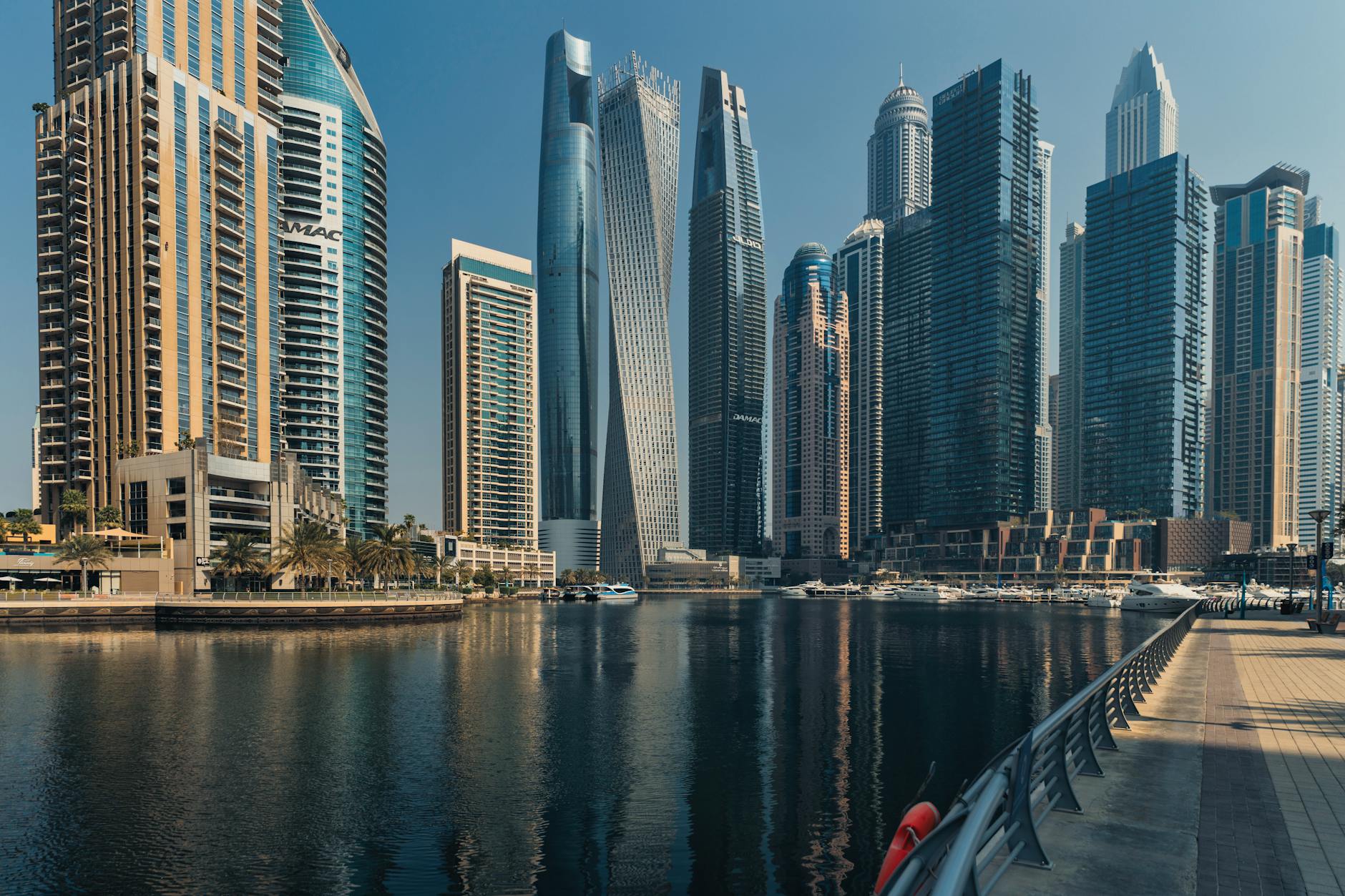
As global supply chains continue to evolve in 2025, Dubai’s real estate market faces both challenges and opportunities. Disruptions from geopolitical tensions, raw material shortages, and logistics delays are reshaping construction timelines and investment returns. At DCI Group, with over 15 years of hands-on experience in the UAE market, we specialize in scenario modeling to help investors navigate these uncertainties. This approach allows you to simulate various outcomes, from supply chain bottlenecks to rapid recovery, ensuring informed decisions on property acquisitions in high-growth areas like Dubai Marina and Downtown Dubai.
In this article, we break down the current landscape, explain how scenario modeling works in practice, and outline key projections for 2025-2026. Whether you’re a seasoned investor or entering the market, you’ll gain actionable insights to protect and grow your portfolio. Expect real data from recent reports, including forecasts from Knight Frank and Deloitte, to ground our analysis in facts.
Navigating Global Supply Chain Disruptions in Dubai’s Construction Sector
Global supply chains have been under pressure since 2020, with effects lingering into 2025. Rising freight costs and delays in importing steel and cement from China and Europe have pushed construction expenses up by 15-20% in the UAE, according to a 2024 PwC report. In Dubai, where mega-projects drive the economy, these shifts mean longer timelines for developments in districts like Jumeirah Village Circle (JVC) and Business Bay.
For instance, developers such as Emaar Properties are adapting by localizing sourcing, but investors still face risks. Off-plan sales, which accounted for 65% of transactions in Q1 2025 per Dubai Land Department data, could slow if material shortages persist. We at DCI Group monitor these trends closely, using data from the UAE’s Federal Competitiveness and Statistics Centre to predict how a 10% tariff hike on imports might inflate property prices by 5-7% in premium areas like Palm Jumeirah.
These disruptions aren’t all negative; they’ve accelerated digital supply chain tools, potentially shortening recovery times. Understanding this dynamic is the first step in modeling resilient investments.
Why Scenario Modeling is Essential for Real Estate Investors
Scenario modeling involves creating multiple “what-if” frameworks to evaluate potential futures based on variables like supply chain stability and economic policies. Unlike traditional forecasting, it prepares you for volatility by testing optimistic, baseline, and pessimistic paths. In Dubai’s real estate, where market cycles turn quickly, this method helps quantify risks and spot undervalued opportunities.
Consider the 2022-2023 supply crunch: projects by DAMAC Properties in Akoya Oxygen faced delays, eroding short-term yields. Our models would have flagged this, allowing clients to pivot to ready properties with 8-10% ROI. Today, with UAE’s GDP projected at 4.2% growth in 2026 by the IMF, modeling integrates factors like oil prices and tourism rebound to forecast returns.
We employ advanced tools, including Monte Carlo simulations, to run thousands of iterations. This not only builds trust through transparency but also empowers you to align investments with your risk tolerance, whether targeting high-yield rentals in Dubai Hills Estate or long-term appreciation in sustainable developments.
Key Scenarios Shaping Dubai Real Estate in 2025-2026
Looking ahead, we outline three primary scenarios for Dubai’s market, drawing from current data. The baseline assumes moderate supply chain improvements, with construction costs stabilizing at 2024 levels. Optimistic views a full recovery, driven by UAE’s Vision 2031 investments, while pessimistic factors in prolonged disruptions from Red Sea conflicts.
To illustrate, here’s a comparison of impacts across scenarios:
| Scenario | Construction Timeline Impact | Property Price Growth | Example District/Developer |
|---|---|---|---|
| Optimistic | Shortened by 20% (faster deliveries) | 12-15% YoY | Downtown Dubai / Emaar |
| Baseline | Stable (on schedule) | 7-9% YoY | JVC / Sobha Realty |
| Pessimistic | Delayed by 15-25% | 3-5% YoY | Business Bay / DAMAC |
These projections align with Bayut’s 2025 market report, showing villa prices in Arabian Ranches rising 10% in the baseline case. Developers like Nakheel are prioritizing resilient projects, such as eco-friendly communities in Al Furjan, to mitigate risks.
Leveraging Scenario Modeling for Strategic Property Selection
At DCI Group, we apply scenario modeling directly to client portfolios, tailoring simulations to your goals. Over our 15+ years in the UAE, we’ve guided investors through similar shifts, like the 2014 oil downturn, by modeling cash flows for off-plan buys in emerging areas like Dubai South.
For 2025-2026, our analyses recommend diversifying into mixed-use developments by Azizi Developments, where rental yields could hit 6.5% even in pessimistic scenarios. We run personalized models incorporating your budget and timeline, factoring in Golden Visa eligibility and ESG compliance trends. This proactive approach has helped clients secure 20% better returns by timing entries during supply dips.
By integrating real-time data from sources like CoreLogic, we ensure models reflect Dubai’s unique blend of luxury and accessibility, positioning you ahead of market curves.
Building Resilience: Actionable Steps from Our Expertise
To harness scenario modeling, start by assessing your exposure to supply chain risks. Review current holdings in volatile districts and stress-test against 10-15% cost increases. Next, collaborate with experts like us to simulate ROI for upcoming launches, such as Sobha’s Hartland projects, projected to deliver in Q4 2026.
Finally, incorporate hedging strategies, like allocating 30% to completed assets in stable areas like The Greens. Our track record shows that clients who model quarterly adjust portfolios dynamically, achieving 12% average annual growth amid uncertainties. This builds not just wealth, but confidence in Dubai’s enduring appeal.
Conclusion: Secure Your Future in Dubai Real Estate Today
Global supply chain shifts present a complex but navigable terrain for Dubai real estate investors. Through scenario modeling, we’ve explored how disruptions could alter timelines and prices, yet also unlock opportunities in districts like Downtown Dubai and JVC. Key takeaways include preparing for 7-15% price growth in 2025-2026, depending on recovery speed, and leveraging tools to mitigate risks from developers like Emaar and DAMAC.
With DCI Group’s 15+ years of UAE expertise, you can transform uncertainty into advantage. Don’t leave your investments to chance; request a free consultation today to run customized scenarios and select properties aligned with your vision. Contact us now to discuss how we can model your path to success in this dynamic market. Your resilient portfolio starts here.
⚠️ This article provides general insights based on available data as of 2025. Real estate investments carry risks; always consult qualified professionals for personalized advice.
Image by: RDNE Stock project
https://www.pexels.com/@rdne