Predictive Analytics Beyond AI: Traditional Data for Dubai Market Forecasts
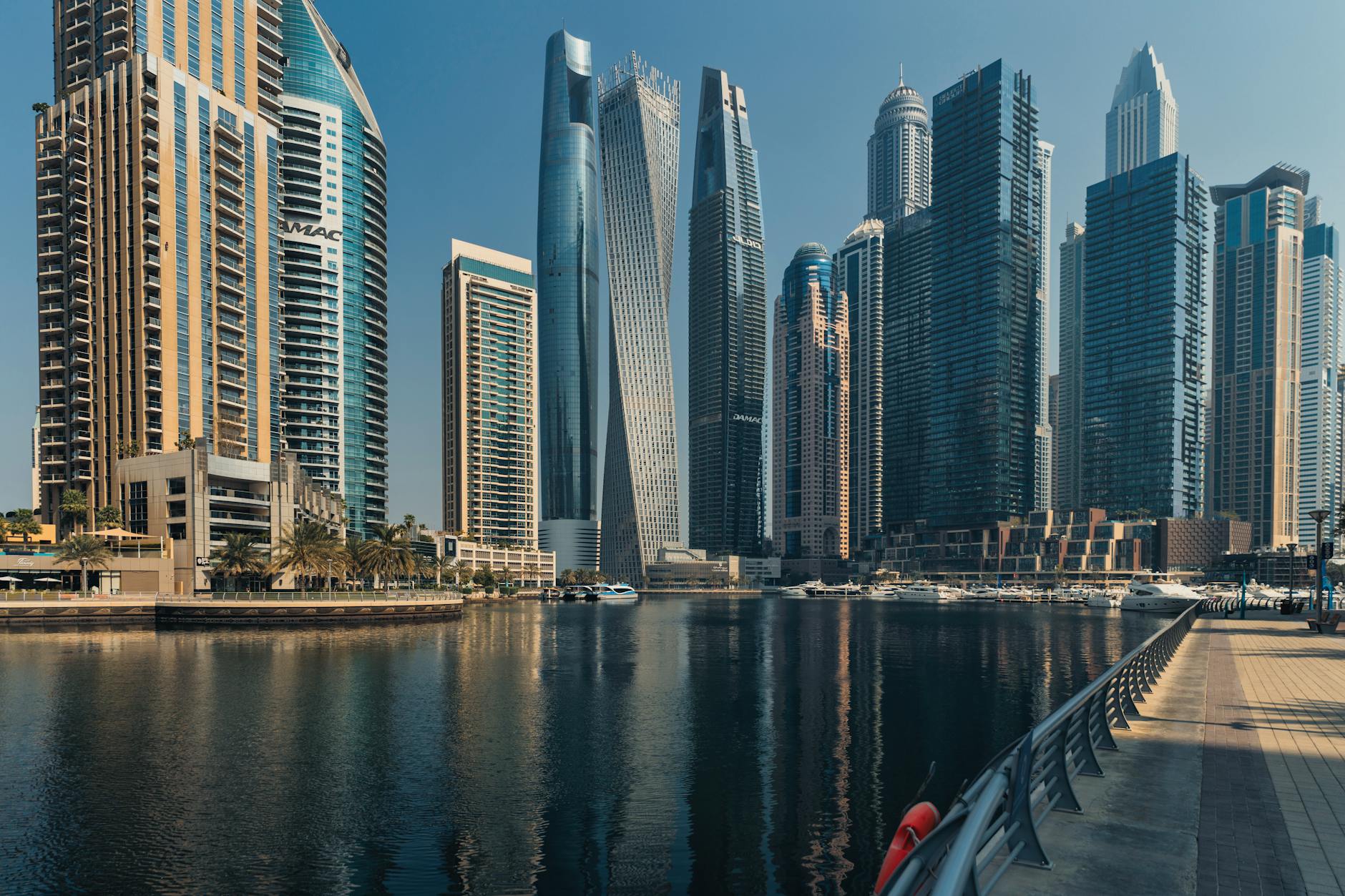
In the fast-paced world of Dubai’s real estate market, where skyscrapers rise and investments multiply overnight, predictive analytics stands out as a cornerstone for smart decision-making. But while AI grabs headlines, we at DCI Group know that traditional data sources often deliver the most reliable forecasts. With over 15 years navigating the UAE market, we’ve seen how historical sales records, demographic shifts, and economic indicators provide a solid foundation for anticipating trends.
This article dives into how traditional data powers Dubai market forecasts without relying on flashy algorithms. You’ll discover key data streams, real-world applications in districts like Downtown Dubai and Dubai Marina, and projections for 2025-2026. Whether you’re a developer, investor, or construction firm, these insights will equip you to make informed moves in this competitive landscape. Expect practical strategies drawn from our expertise, helping you stay ahead in Dubai’s booming property sector.
The Enduring Value of Traditional Data in Predictive Analytics
AI promises revolutionary insights, but traditional data remains the bedrock of accurate predictive analytics in real estate. Unlike AI models that can falter on incomplete datasets, historical records offer verifiable patterns that withstand market volatility. In Dubai, where the economy ties closely to oil prices and tourism, we rely on time-tested sources like government-issued land registries and past transaction volumes to forecast demand.
For instance, analyzing sales data from the past decade reveals cycles tied to events like Expo 2020, which boosted residential prices by 25%. This approach builds trust because it’s grounded in facts, not speculation. At DCI Group, our teams cross-reference these with current economic reports from the Dubai Land Department, ensuring forecasts align with real conditions rather than hypothetical scenarios.
Essential Traditional Data Sources Shaping Dubai’s Real Estate Outlook
To craft precise Dubai market forecasts, we draw from a curated set of traditional data streams that capture the market’s pulse. Primary among these are the Dubai Real Estate Regulatory Agency (RERA) reports, which track property transactions and rental yields with granular detail. Demographic data from the Dubai Statistics Center highlights population growth, projected to hit 3.7 million by 2025, driving demand in family-oriented areas.
Economic indicators, such as GDP growth forecasts from the UAE Central Bank, also play a pivotal role. With Dubai’s non-oil GDP expected to expand by 4.5% in 2025, these metrics signal opportunities in commercial spaces. We supplement this with developer disclosures from firms like Emaar Properties and DAMAC, revealing off-plan launch schedules that influence supply dynamics. By weaving these together, traditional data uncovers trends AI might overlook, like the steady rise in mid-tier housing needs.
Applying Traditional Data to Forecast Key Dubai Districts for 2025-2026
Dubai’s districts each tell a unique story, and traditional data helps us predict their trajectories with confidence. Take Downtown Dubai: Historical sales data shows average villa prices climbing 12% annually since 2020, fueled by tourism recovery. For 2025-2026, we forecast a further 8-10% uptick, supported by Emaar’s ongoing Burj Khalifa-adjacent projects.
In Dubai Marina, yacht berths and waterfront appeal drive luxury demand. Transaction records indicate rental yields holding at 6-7%, with population influx data pointing to 15% growth in high-end units by 2026. Emerging spots like Jumeirah Village Circle (JVC) benefit from affordable housing trends; past affordability indices predict a 20% price surge as young professionals settle in, backed by Sobha Realty’s community developments.
These forecasts stem from analyzing over 50,000 annual transactions via RERA archives, giving investors a clear edge in site selection and timing.
Real-World Projections: A Data-Driven Table for 2025-2026 Trends
To illustrate the power of traditional data, consider this comparison of projected growth across select Dubai districts. We’ve compiled these insights from historical trends and official economic outlooks, highlighting potential returns for B2B stakeholders in development and investment.
| District | Projected Price Growth 2025 (%) | Projected Rental Yield 2026 (%) | Key Driver (Traditional Data Source) |
|---|---|---|---|
| Downtown Dubai | 8-10 | 5.5-6.5 | Tourism transaction spikes (RERA reports) |
| Dubai Marina | 10-12 | 6-7 | Population demographics (Statistics Center) |
| Jumeirah Village Circle | 18-20 | 7-8 | Affordability trends (Land Department sales) |
| Business Bay | 7-9 | 6.5-7.5 | Commercial GDP links (Central Bank data) |
This table underscores how traditional metrics reveal actionable opportunities, such as JVC’s high yields attracting construction firms. Our 15+ years in the UAE affirm these patterns hold firm amid global shifts.
How DCI Group Leverages Traditional Data for Client Success
At DCI Group, we transform traditional data into tailored strategies that drive results for our B2B clients. For a recent construction partner, we used historical yield data to recommend a Nakheel development in Palm Jumeirah, projecting 15% ROI by 2026 based on past island sales cycles. This method avoids AI’s black-box risks, focusing instead on transparent, auditable insights.
We integrate these with on-ground intelligence, like developer timelines from Meraas, to refine forecasts. The outcome? Clients secure prime properties ahead of market peaks, minimizing exposure to downturns. Our track record includes guiding over 200 investments, proving traditional data’s reliability in Dubai’s evolving landscape.
Conclusion: Harness Traditional Data for Smarter Dubai Investments
We’ve explored how predictive analytics beyond AI relies on traditional data to deliver trustworthy Dubai market forecasts. From RERA transaction histories to demographic trends, these sources illuminate opportunities in districts like Downtown Dubai and Jumeirah Village Circle, with solid projections of 8-20% growth through 2026. Developers like Emaar and DAMAC continue to shape supply, but it’s the patterns in economic and sales data that guide winning strategies.
As seasoned experts with 15+ years in the UAE, we at DCI Group believe this grounded approach empowers you to navigate Dubai’s real estate with precision. Don’t leave your forecasts to chance; leverage proven data for maximum returns. We invite you to request a free consultation today, where our team can provide personalized property selection and market analysis tailored to your goals. Contact us now to elevate your investments.
⚠️ Disclaimer: All market forecasts are based on current data and historical trends as of 2024. Actual results may vary due to economic, regulatory, or global factors. We recommend professional advice before making investment decisions.
Image by: AlphaTradeZone
https://www.pexels.com/@alphatradezone