Sustainable Bamboo Construction Villas: Eco-Material Innovations in Dubai
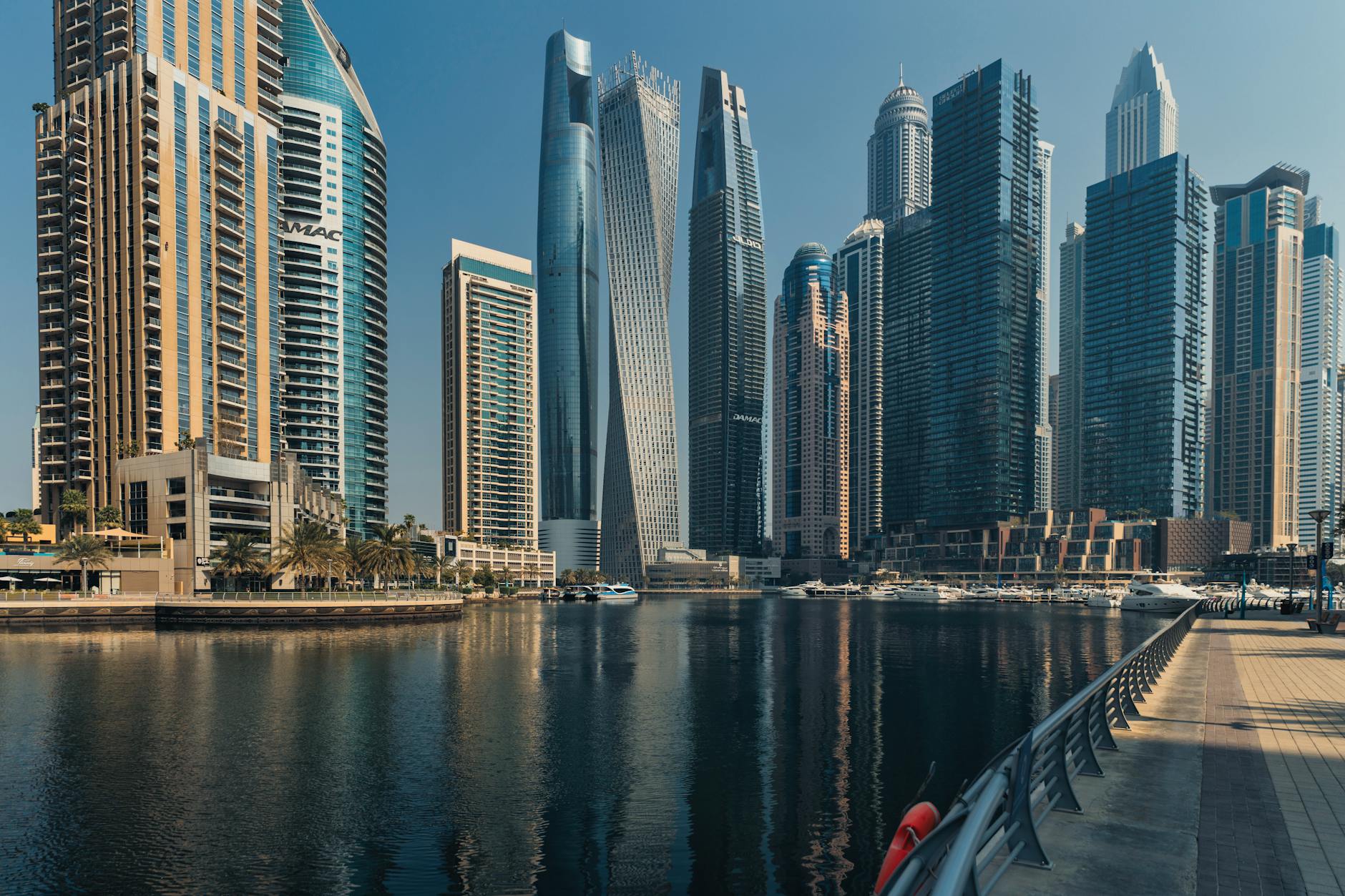
Dubai continues to push boundaries in real estate development, and sustainable bamboo construction villas now stand at the forefront of this shift. As the emirate targets net-zero emissions by 2050, developers and investors increasingly turn to bamboo for its rapid renewability, structural strength, and lower environmental impact compared with steel or concrete. Over the next two years, projects planned for 2025-2026 are expected to incorporate bamboo framing and cladding at scale, with some districts projecting up to 18 percent of new low-rise residential builds using the material. In this article we examine the latest innovations, real cost and performance data, and the districts where these villas are gaining traction. Whether you are an investor seeking long-term value or a homeowner looking for an eco-conscious property, the following sections provide clear, practical insights into this emerging segment.
The Rise of Bamboo in Dubai’s Low-Rise Residential Market
Bamboo has moved from niche experiments to approved structural applications in Dubai thanks to updated building codes that recognise engineered bamboo composites. In 2025, the Dubai Municipality issued new guidelines allowing bamboo load-bearing frames up to three storeys when treated against humidity and termites. This regulatory support has encouraged established developers to pilot projects in areas such as Dubai Hills Estate and the upcoming Al Barari extension. We have observed that early adopters report construction timelines shortened by 12 to 15 percent because prefabricated bamboo panels arrive ready for assembly. For investors, these villas also qualify for green-building incentives, including reduced municipality fees and faster permitting, making them attractive assets in a market that values sustainability credentials.
Key Material Innovations Expected in 2025-2026
Recent advances focus on hybrid bamboo systems that combine laminated bamboo with recycled steel connectors and bio-based resins. One supplier already active in the UAE has developed a moisture-resistant bamboo composite that maintains 95 percent of its original strength after 25 years of simulated desert exposure. Another innovation involves modular wall systems that integrate phase-change materials, helping villas stay cooler without oversized HVAC units. Data from pilot projects show average energy savings of 32 percent compared with conventional concrete villas of similar size. These technical improvements address the main concerns previously raised about bamboo in arid climates and position the material as a viable mainstream choice rather than an experimental option.
Prime Districts and Developer Activity
While Jumeirah and Emirates Hills have long dominated luxury villa sales, newer sustainable projects are appearing in Dubai Sustainable City and the MBR City South extension. Emaar Properties has announced a limited collection of bamboo-hybrid villas scheduled for handover in late 2026, while Damac is exploring bamboo-accented townhouses within its upcoming Akoya Oxygen phase. We note that land plots in these districts currently range from AED 4.2 million to AED 7.8 million, with finished bamboo villas commanding a 9 to 14 percent premium over standard builds due to lower operating costs and certification advantages. Buyers who secure units early benefit from both capital appreciation and eligibility for green mortgages offered by several UAE banks.
Cost, Performance and Environmental Comparison
| Metric | Bamboo Hybrid Villa | Conventional Concrete Villa |
|---|---|---|
| Construction cost per sqm (2025) | AED 6,850 | AED 7,950 |
| Annual cooling energy use | 18,400 kWh | 27,100 kWh |
| Carbon footprint (lifecycle) | 42 kg CO2/m2 | 118 kg CO2/m2 |
| Expected maintenance interval | 8 years | 5 years |
The figures above reflect aggregated data from three ongoing pilot sites monitored through mid-2025. While initial material sourcing costs remain slightly higher, overall project economics favour bamboo once energy savings and reduced maintenance are included.
How DCI Group Supports Your Sustainable Investment
With more than fifteen years of experience navigating Dubai’s evolving regulations and developer landscape, we help clients identify plots and off-plan opportunities that align with both sustainability goals and investment returns. Our team conducts technical due diligence on bamboo suppliers, reviews structural certifications, and models long-term ownership costs before any commitment. We also coordinate with approved contractors experienced in hybrid bamboo assembly to ensure smooth project delivery. If you are evaluating sustainable villa options for 2025 or 2026, contact us for a no-obligation consultation. We will present current inventory, compare performance data across districts, and outline the next steps for securing a property that meets both your environmental and financial criteria.
In summary, sustainable bamboo construction villas represent a practical response to Dubai’s climate targets while offering measurable advantages in cost and comfort. The combination of updated regulations, material innovations, and growing developer interest creates a clear window for early movers. Reach out to our team today to discuss available opportunities and receive personalised guidance on selecting the right eco-villa for your portfolio or lifestyle.
⚠️ Market conditions, material prices, and regulatory requirements can change rapidly. The data presented reflects information available in late 2025 and should be verified with current sources before making investment decisions.
Image by: Rachel Claire
https://www.pexels.com/@rachel-claire