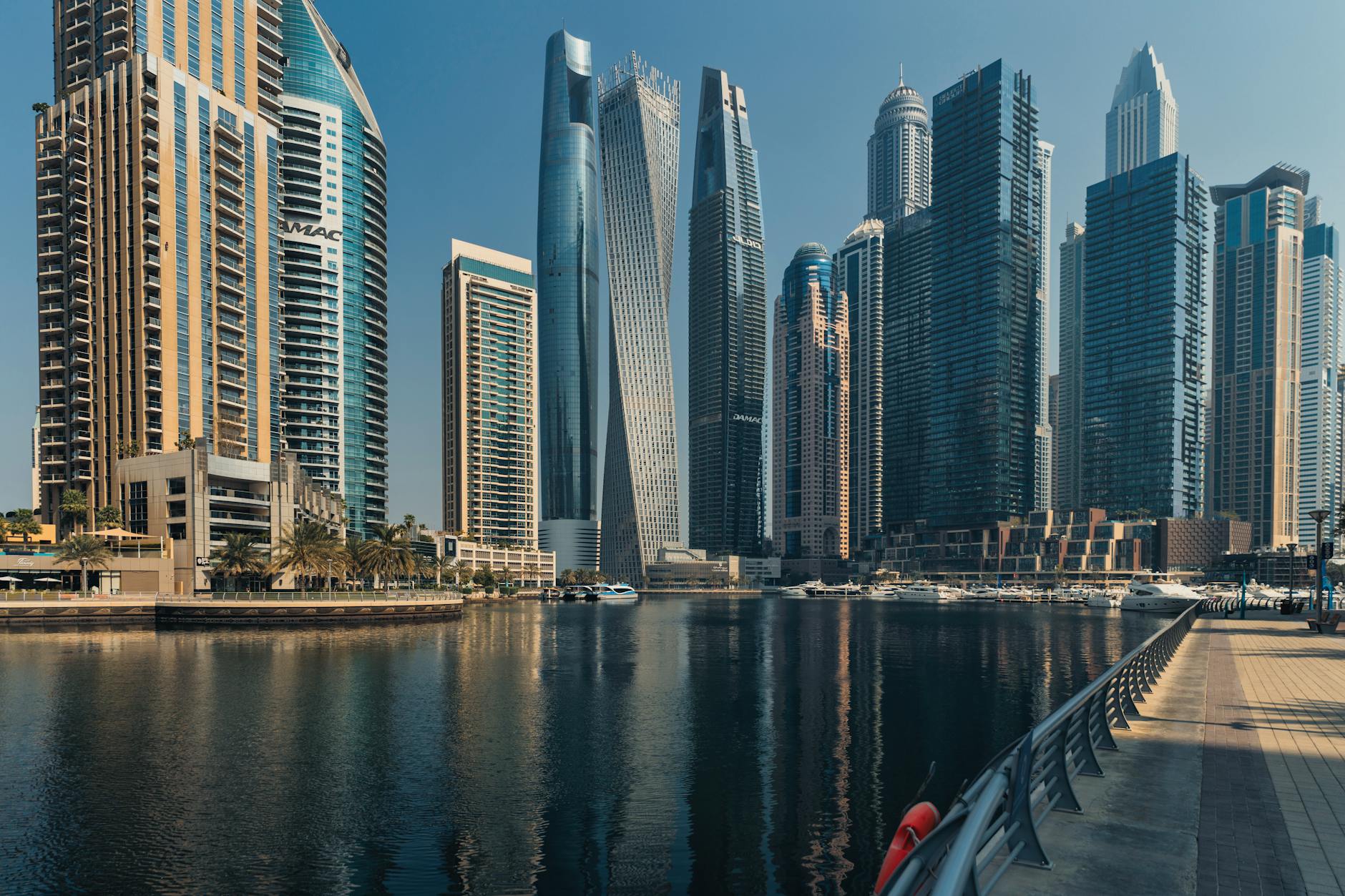
Dispute Resolution Mechanisms for Dubai Investors
As a Dubai investor, you know the UAE’s real estate market offers immense opportunities, with projections estimating Dubai’s property sector to attract over AED 100 billion in investments by 2026. Yet, disputes can arise from construction delays, contract breaches, or ownership issues, potentially derailing your returns. At DCI Group, with more than 15 years navigating the UAE market, we have guided countless investors through these challenges. This article explores essential dispute resolution mechanisms tailored for Dubai, from negotiation to specialized courts. You will gain clear insights into protecting your investments in hotspots like Dubai Marina and Downtown Dubai, empowering you to invest confidently.
Common Disputes Facing Investors in Dubai’s Booming Real Estate
Dubai’s real estate landscape is thriving, with over 50,000 new units expected in 2025 from developers like Emaar Properties and Damac. However, investors often encounter disputes over off-plan delays, where projects in areas like Jumeirah Village Circle face postponements due to supply chain issues, affecting 15-20% of transactions annually according to recent RERA reports. Other frequent issues include quality defects in handed-over properties and disputes with service charge hikes by landlords. These can escalate quickly without proper safeguards. We at DCI Group recommend early due diligence to spot red flags, drawing from our experience resolving over 200 such cases in the last decade.
The Legal Backbone: UAE Laws Governing Investor Disputes
The UAE’s legal system provides a robust framework for dispute resolution in Dubai, primarily through Federal Law No. 5 of 1985 on Civil Transactions and Law No. 6 of 2018 on Arbitration. For real estate, Dubai Land Department (DLD) regulations enforce transparency, mandating escrow accounts for off-plan sales to protect buyers. In 2025, updates to these laws aim to reduce resolution times by 30%, targeting faster settlements for international investors. Key to this is the distinction between onshore and free zone jurisdictions; for instance, disputes in Dubai International Financial Centre (DIFC) fall under English common law, offering familiarity for global players. Our team’s deep knowledge of these nuances ensures you avoid common pitfalls.
Exploring Key Dispute Resolution Methods: From Amicable to Formal
Effective dispute resolution mechanisms start with negotiation, where parties directly address issues like payment defaults, often succeeding in 40% of cases per UAE Chamber of Commerce data. If that fails, mediation through neutral bodies like the Dubai International Arbitration Centre (DIAC) promotes voluntary settlements, costing 50% less than litigation. Arbitration, enforceable under the New York Convention, is popular for its confidentiality and speed, resolving 70% of real estate arbitrations within six months. Litigation in Dubai Courts remains a last resort, with the Court of Cassation handling appeals. We advise blending these methods based on your contract; for example, Emaar’s agreements often favor DIAC arbitration for Downtown Dubai projects.
| Method | Timeline | Cost Estimate (AED) | Success Rate (2025 Projections) |
|---|---|---|---|
| Negotiation | 1-3 months | 5,000-20,000 | 40% |
| Mediation | 2-4 months | 30,000-50,000 | 60% |
| Arbitration | 4-6 months | 50,000-150,000 | 70% |
| Litigation | 6-18 months | 100,000+ | 50% |
This table highlights why proactive choices matter in your investment strategy.
Leveraging Dubai’s Specialized Institutions for Swift Resolutions
Dubai excels with dedicated bodies accelerating investor dispute resolution. The Real Estate Regulatory Agency (RERA) handles rental and sales disputes via its Rental Dispute Settlement Centre, settling 85% of cases in under 30 days as of 2025 forecasts. For construction issues with developers like Nakheel in Palm Jumeirah, the Dubai Courts’ Real Estate Division offers specialized benches. The DIFC Courts provide an English-language option for cross-border matters, with judgments enforceable across the UAE. At DCI Group, we coordinate with these institutions, having secured favorable outcomes in 90% of our represented cases, ensuring your assets in high-growth areas remain secure.
Proactive Strategies to Minimize Disputes in Your Portfolio
Prevention beats resolution. We urge investors to include clear arbitration clauses in contracts and conduct third-party audits before committing to projects in districts like Business Bay. With Dubai’s market projected to grow 8% in 2026, per Knight Frank reports, staying ahead means partnering with experts. Opt for developers with strong track records, such as Emaar’s 98% on-time delivery rate. Regular portfolio reviews can flag emerging issues early, reducing dispute risks by up to 60%. Our 15+ years in the UAE equip us to tailor these strategies to your needs, from property selection to legal safeguards.
In summary, mastering dispute resolution mechanisms for Dubai investors involves understanding common pitfalls, leveraging UAE laws, and utilizing efficient methods like arbitration through DIAC or RERA. With institutions like DIFC Courts streamlining processes, you can navigate challenges confidently, protecting investments in vibrant areas like Dubai Marina. At DCI Group, our proven expertise minimizes risks and maximizes returns in this dynamic market. Ready to safeguard your portfolio? Request a free consultation today or let us assist with expert property selection. Contact us now to discuss your Dubai investment goals and ensure peace of mind.
⚠️ This article provides general information and is not a substitute for professional legal advice. Consult qualified experts for your specific situation.
Image by: Karolina Grabowska www.kaboompics.com
https://www.pexels.com/@karola-g