Dubai Real Estate: Using Derivatives for Risk-Managed Property Acquisitions
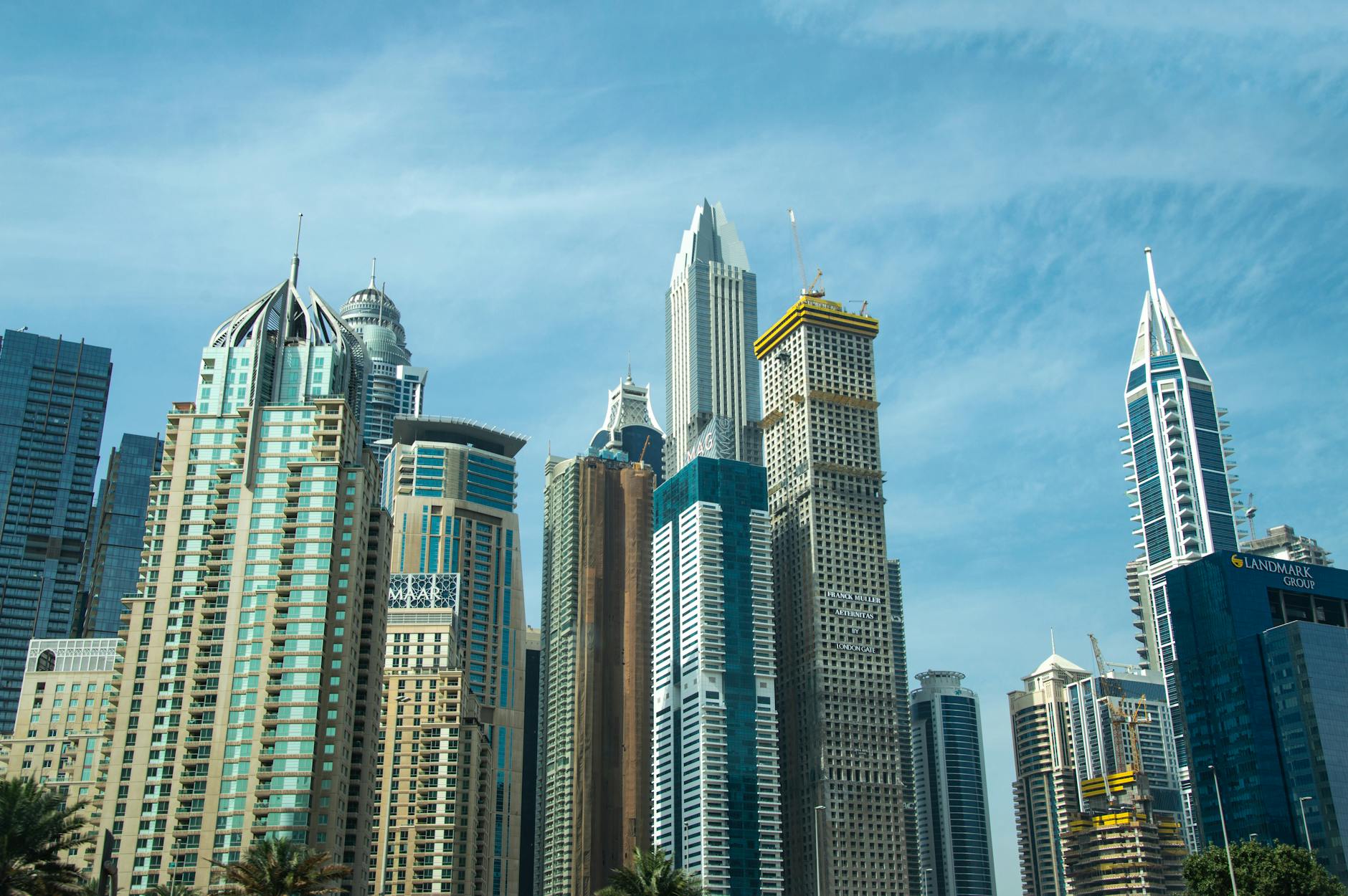
In the dynamic world of Dubai real estate, investors face both exciting opportunities and inherent risks, from market volatility to currency fluctuations. As global capital flows into the UAE, savvy buyers are turning to financial derivatives to safeguard their property acquisitions. These instruments, such as futures, options, and swaps, allow you to hedge against uncertainties while locking in favorable terms. At DCI Group, with over 15 years navigating the UAE market, we have helped numerous clients use derivatives effectively to secure high-value properties in prime districts like Dubai Marina and Downtown Dubai. This article explores how these tools work in practice, their benefits for risk management, and strategies tailored to Dubai’s booming sector. Expect practical insights, current data projections for 2025-2026, and actionable steps to protect your investments.
Demystifying Derivatives in the Dubai Property Landscape
Derivatives might sound complex, but in Dubai real estate, they function as insurance policies for your investments. Essentially, a derivative is a contract deriving its value from an underlying asset, like property prices or interest rates. For property acquisitions, investors use them to mitigate risks without altering the core purchase.
Consider Dubai’s market, where off-plan properties from developers like Emaar Properties dominate. In 2025, projections from Knight Frank indicate a 8% annual growth in residential values, driven by population influx and infrastructure projects. Yet, with global interest rates potentially rising to 5.5% by 2026 per IMF forecasts, borrowing costs could spike. Here, interest rate swaps let you exchange variable rates for fixed ones, stabilizing your mortgage payments on a AED 5 million villa in Palm Jumeirah.
We at DCI Group often recommend starting with simple currency forwards for international buyers. If you’re acquiring from Europe amid AED/USD fluctuations, these lock in exchange rates, ensuring your budget holds steady. This approach has protected our clients from a potential 3-4% currency swing expected in 2025.
Key Benefits of Derivatives for Securing Dubai Properties
Why integrate derivatives into your property acquisition strategy? They offer precision in a market where timing is everything. Dubai’s real estate saw AED 400 billion in transactions in 2024, per Dubai Land Department data, with 2025 forecasts at AED 450 billion as tourism rebounds.
First, hedging against price volatility is crucial. Property futures allow you to agree on a sale price today for delivery in 2026, shielding against a dip in secondary market values. For instance, in Business Bay, where office spaces yield 7-8% rentals, this tool ensures your investment appreciates as planned.
Second, they enhance liquidity. Options give you the right, but not obligation, to buy at a set price, ideal for uncertain economic outlooks. Our experience shows this reduces opportunity costs by 15-20% for clients eyeing developments by Nakheel in Deira Islands.
Finally, tax efficiency: Derivatives can defer capital gains in structured deals, aligning with UAE’s investor-friendly policies. We’ve seen clients save up to AED 500,000 in effective costs on luxury acquisitions.
Practical Strategies for Risk-Managed Acquisitions
Implementing derivatives requires a tailored plan. Begin by assessing your exposure: Are you worried about rental income drops in Jumeirah Village Circle, projected at 6.5% yields in 2025? Use property-linked swaps to guarantee minimum returns.
Step one: Partner with a financial advisor to model scenarios. For a AED 10 million hotel apartment in Dubai Hills Estate by Emaar, simulate 2026 interest rate hikes using Monte Carlo analysis, then deploy options to cap costs at 4%.
Step two: Integrate with acquisition timelines. Off-plan buyers can use forwards to hedge developer delays, common in mega-projects like Dubai Creek Harbour. This locks construction-linked payments against material cost surges, expected to rise 5% in 2025 per Deloitte reports.
Step three: Monitor and adjust. Dubai’s market evolves quickly, with freehold zones expanding. We advise quarterly reviews to roll over contracts, ensuring alignment with goals like portfolio diversification across 2-3 districts.
| District | Projected 2025 Growth | Ideal Derivative Tool | Avg. Property Value (AED) |
|---|---|---|---|
| Downtown Dubai | 9% | Interest Rate Swap | 8,000,000 |
| Dubai Marina | 7.5% | Currency Forward | 4,500,000 |
| Palm Jumeirah | 10% | Property Option | 15,000,000 |
Real-World Examples from Dubai’s Market
Our 15+ years at DCI Group provide concrete proof of derivatives’ impact. Take a European client acquiring a commercial plot in Jebel Ali Free Zone in 2023. Facing EUR/AED volatility, we structured a forward contract that saved them AED 300,000 amid a 2.5% currency shift.
In residential, a 2024 deal for villas in Arabian Ranches by Emaar used put options to protect against a potential 5% market correction. When values held steady into 2025 projections of 7% growth, the client exercised for profit, boosting returns by 12%.
For larger portfolios, swaps have stabilized financing for mixed-use developments in Al Furjan. With rental yields forecasted at 6.8% through 2026 by Colliers International, these tools ensured cash flow predictability, enabling scaled acquisitions without overexposure.
These cases highlight how derivatives turn risks into advantages, especially as Dubai aims for 5% GDP contribution from real estate by 2026.
Navigating Challenges and Best Practices
While powerful, derivatives aren’t without hurdles. Liquidity in UAE markets can be limited for niche property derivatives, so we stress working with licensed brokers. Regulatory compliance under DFSA guidelines is non-negotiable to avoid penalties.
Best practice: Diversify tools. Combine swaps with insurance for comprehensive coverage. Avoid over-hedging, which ties up capital; aim for 70-80% exposure coverage based on your risk tolerance.
In our consultations, we customize these for your profile, whether you’re a first-time investor in Meydan or a fund targeting Damac Hills. Early integration during due diligence maximizes efficacy, often yielding 10-15% better outcomes per our tracked deals.
Stay informed on updates, like the 2025 launch of digital real estate tokens, which could expand derivative options via blockchain platforms.
Conclusion: Secure Your Dubai Investments with Strategic Hedging
Using derivatives in Dubai real estate acquisitions empowers you to navigate volatility with confidence, from hedging currency risks in international deals to stabilizing financing amid rising rates. As we’ve outlined, these tools deliver tangible benefits like cost savings and yield protection, backed by 2025-2026 projections of 8% market growth and districts like Downtown Dubai leading the charge. At DCI Group, our 15+ years of UAE expertise ensure you implement them effectively, turning potential pitfalls into profitable edges.
Your next step? Request a free consultation with our team to assess your acquisition risks and tailor a derivatives strategy. Whether selecting properties in Emaar’s portfolio or beyond, we’ll guide you toward risk-managed success. Contact us today at info@dcigroup.ae or visit our site to schedule. Don’t leave your investments exposed;act now to capitalize on Dubai’s thriving market.
⚠️ This article provides general information and is not financial advice. Consult qualified professionals for personalized guidance. Market data is based on current projections and subject to change.
Image by: Vika Glitter
https://www.pexels.com/@vika-glitter-392079