Inflation-Resistant Strategies in Dubai Property Portfolios
As global inflation pressures mount, savvy investors are turning to Dubai’s real estate market for stability and growth. With projections estimating UAE inflation at 2.5% in 2025 and rising to 3% by 2026, according to the Central Bank of the UAE, protecting your portfolio requires targeted strategies. In this article, we at DCI Group, with over 15 years of expertise navigating the UAE market, outline practical approaches to build inflation-resistant Dubai property portfolios. You’ll discover how diversification, prime location choices, and developer partnerships can safeguard your investments against economic volatility while capitalizing on Dubai’s robust 7-10% annual property appreciation rates. Expect actionable insights tailored for B2B professionals in development and real estate investment.
Navigating Inflation’s Grip on Dubai’s Real Estate Landscape
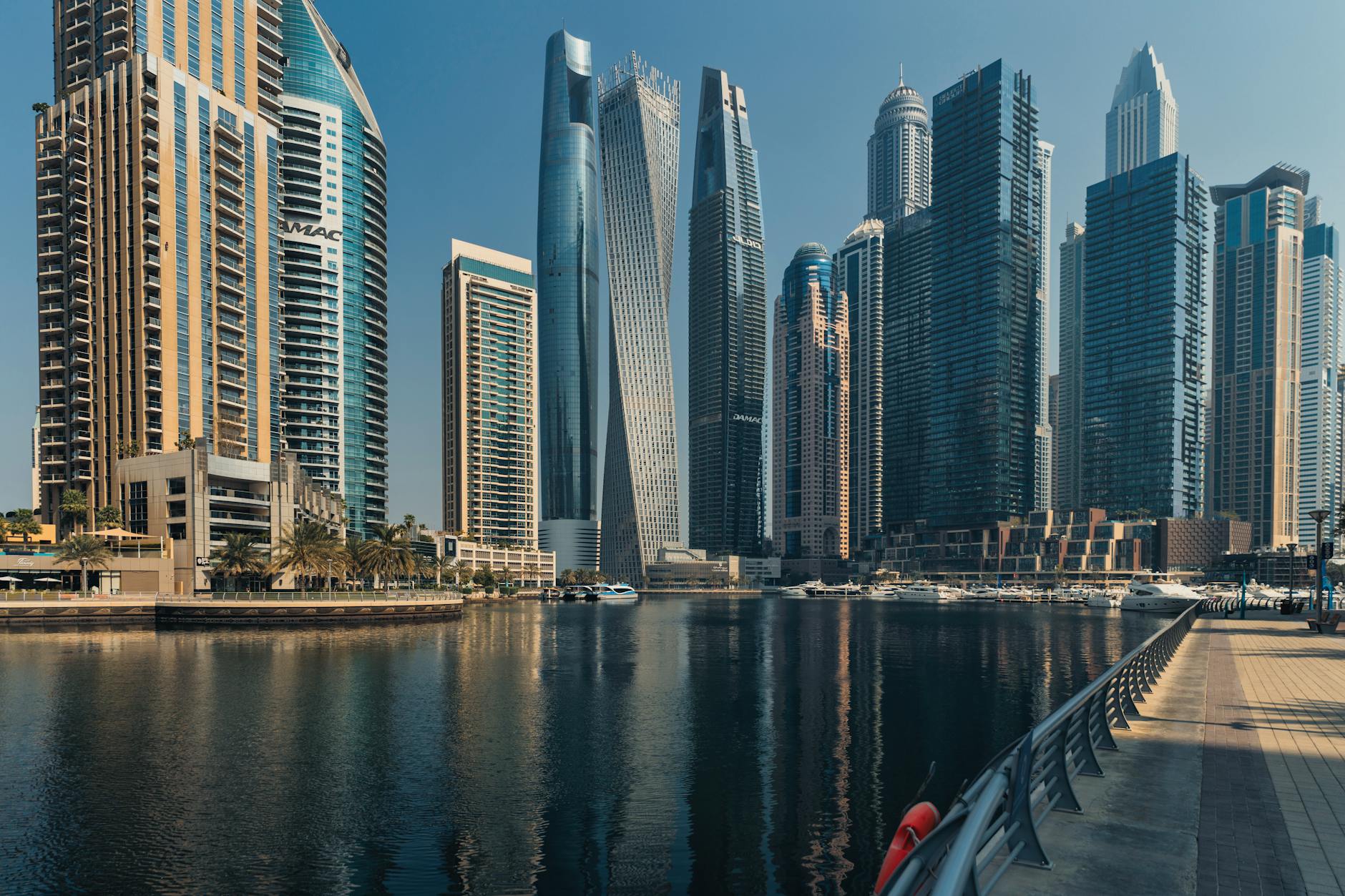
Dubai’s property sector has proven remarkably resilient, with transaction volumes surging 25% year-over-year in 2024, per Dubai Land Department data. Yet, inflation erodes purchasing power, making it essential to prioritize assets that outpace rising costs. We recommend focusing on properties with built-in hedges, such as those offering escalating rental agreements tied to CPI indices. For instance, in high-demand areas like Dubai Marina, average rental yields stand at 6.5% for 2025, well above inflation forecasts. By selecting off-plan developments from trusted developers like Emaar Properties, investors can lock in prices now and benefit from completion bonuses, ensuring your portfolio appreciates faster than inflationary trends.
Diversifying Your Portfolio for Long-Term Stability
Diversification remains the cornerstone of any inflation-resistant strategy. Rather than concentrating on residential alone, blend commercial, hospitality, and mixed-use assets to spread risk. In Dubai, we advise allocating 40% to residential in emerging hotspots like Dubai South, where infrastructure projects promise 15% value growth by 2026. Dedicate 30% to commercial spaces in Business Bay, yielding 7-8% returns amid the post-pandemic office rebound. The remaining 30% can go toward hospitality units in Jumeirah Village Circle, capitalizing on tourism influxes projected to hit 20 million visitors annually by 2025. This mix not only mitigates inflation’s bite but also leverages Dubai’s freehold ownership perks for non-residents.
Targeting High-Growth Districts and Reputable Developers
Strategic location selection amplifies portfolio resilience. Districts like Palm Jumeirah and Downtown Dubai continue to lead, with property prices expected to rise 8-12% in 2025, driven by luxury demand from high-net-worth individuals. We at DCI Group have guided clients to developments by Nakheel and Sobha Realty, where sustainable features like energy-efficient designs reduce long-term holding costs amid inflating utilities. For balanced exposure, consider Al Furjan for mid-range family homes, offering 5.5% yields and proximity to Expo City expansions. Partnering with established developers ensures quality and timely delivery, shielding your investments from market dips and inflationary supply chain disruptions.
| District | Projected 2025 Yield (%) | Expected Appreciation (2025-2026) | Key Developer |
|---|---|---|---|
| Dubai Marina | 6.5 | 9% | Emaar Properties |
| Business Bay | 7.2 | 10% | Damac Properties |
| Dubai South | 5.8 | 15% | Nakheel |
| Al Furjan | 5.5 | 8% | Sobha Realty |
Leveraging Rental Income and Capital Gains to Beat Inflation
To counter inflation directly, emphasize properties with strong rental demand and capital upside. Dubai’s golden visa program ties residency to real estate investments starting at AED 2 million, enhancing liquidity and appeal. We see clients achieving 7% net yields in areas like JLT through short-term lets, adjusted annually for inflation. Combine this with capital gains tax exemptions – unlike many global markets – to reinvest profits efficiently. For 2026, forecasts from Knight Frank indicate a 10% uplift in prime segment values, making timely acquisitions crucial. Our track record shows that proactive portfolio rebalancing every 18 months keeps returns 3-5% above inflation benchmarks.
Conclusion: Secure Your Future with Proven UAE Expertise
In summary, crafting an inflation-resistant Dubai property portfolio hinges on diversification across resilient districts, partnerships with top developers like Emaar and Nakheel, and a focus on high-yield assets in areas such as Dubai Marina and Dubai South. With inflation hovering at 2.5-3% through 2026 and Dubai’s market poised for 8-15% growth, these strategies not only preserve wealth but also drive substantial returns. At DCI Group, our 15+ years in the UAE equip us to tailor these approaches to your B2B objectives in development and investment. Take the next step toward portfolio fortification: request a free consultation today for personalized property selection and market analysis. Contact us now to discuss how we can help you thrive amid economic shifts.
⚠️ This article provides general insights and is not personalized financial advice. Always consult qualified professionals before making investment decisions.
Image by: Zakaria HANIF
https://www.pexels.com/@zakariahanif