Peer-to-Peer Lending for Dubai Real Estate Financing
As Dubai’s real estate market surges forward, innovative financing options like peer-to-peer (P2P) lending are reshaping how investors secure funding for prime properties. If you are exploring ways to finance your next development or investment without relying solely on traditional banks, this approach offers flexibility and speed. At DCI Group, with over 15 years navigating the UAE’s dynamic landscape, we have seen firsthand how P2P platforms connect borrowers directly with individual lenders, bypassing bureaucratic hurdles. In this article, we break down how P2P lending works for Dubai real estate, its advantages, key opportunities in high-growth areas, and practical steps to get started. Expect insights tailored for 2025-2026 trends, helping you make informed decisions in a market projected to hit AED 500 billion in transactions by 2026.
Understanding Peer-to-Peer Lending in Dubai’s Real Estate Sector
Peer-to-peer lending platforms in Dubai operate as digital marketplaces where individual investors lend money directly to borrowers, including real estate developers and investors. Regulated by the Dubai Financial Services Authority (DFSA), these platforms ensure transparency and security, with loans often secured against property assets. For instance, a typical P2P loan for real estate might range from AED 500,000 to AED 5 million, with interest rates between 8% and 12% annually, lower than some bank alternatives for qualified borrowers.
In practice, you apply through a vetted platform like Beehive or Eureeca, upload property details, and match with lenders in days, not months. This model thrives in Dubai due to the emirate’s investor-friendly policies, including 100% foreign ownership in freehold zones. We at DCI Group recommend starting with platforms compliant with UAE Central Bank guidelines to mitigate risks while accessing quick capital for off-plan purchases or renovations.
Key Advantages of P2P Lending Over Traditional Financing
Why choose P2P lending for your Dubai real estate ventures? It cuts out middlemen, offering faster approvals and competitive terms. Traditional bank loans can take 4-6 weeks with stringent credit checks, but P2P deals often close in under two weeks, ideal for time-sensitive opportunities like bidding on Emaar’s upcoming projects in Dubai Hills Estate.
Interest rates are another win: while banks charge 5-7% for mortgages, P2P can dip to 7-10% for secured real estate loans, especially with Dubai’s stable market backing. Plus, it diversifies your funding sources, reducing reliance on one lender. Our 15+ years of experience show that investors using P2P have funded 20-30% more projects annually, capitalizing on rental yields averaging 6.5% in areas like Jumeirah Village Circle (JVC) for 2025 projections.
| Aspect | Traditional Bank Loans | P2P Lending |
|---|---|---|
| Approval Time | 4-6 weeks | 1-2 weeks |
| Interest Rates (2025 est.) | 5-7% | 7-10% |
| Minimum Loan Amount | AED 1 million | AED 500,000 |
| Flexibility for Investors | Low (rigid criteria) | High (custom terms) |
Top Dubai Districts and Developers Benefiting from P2P Financing in 2025-2026
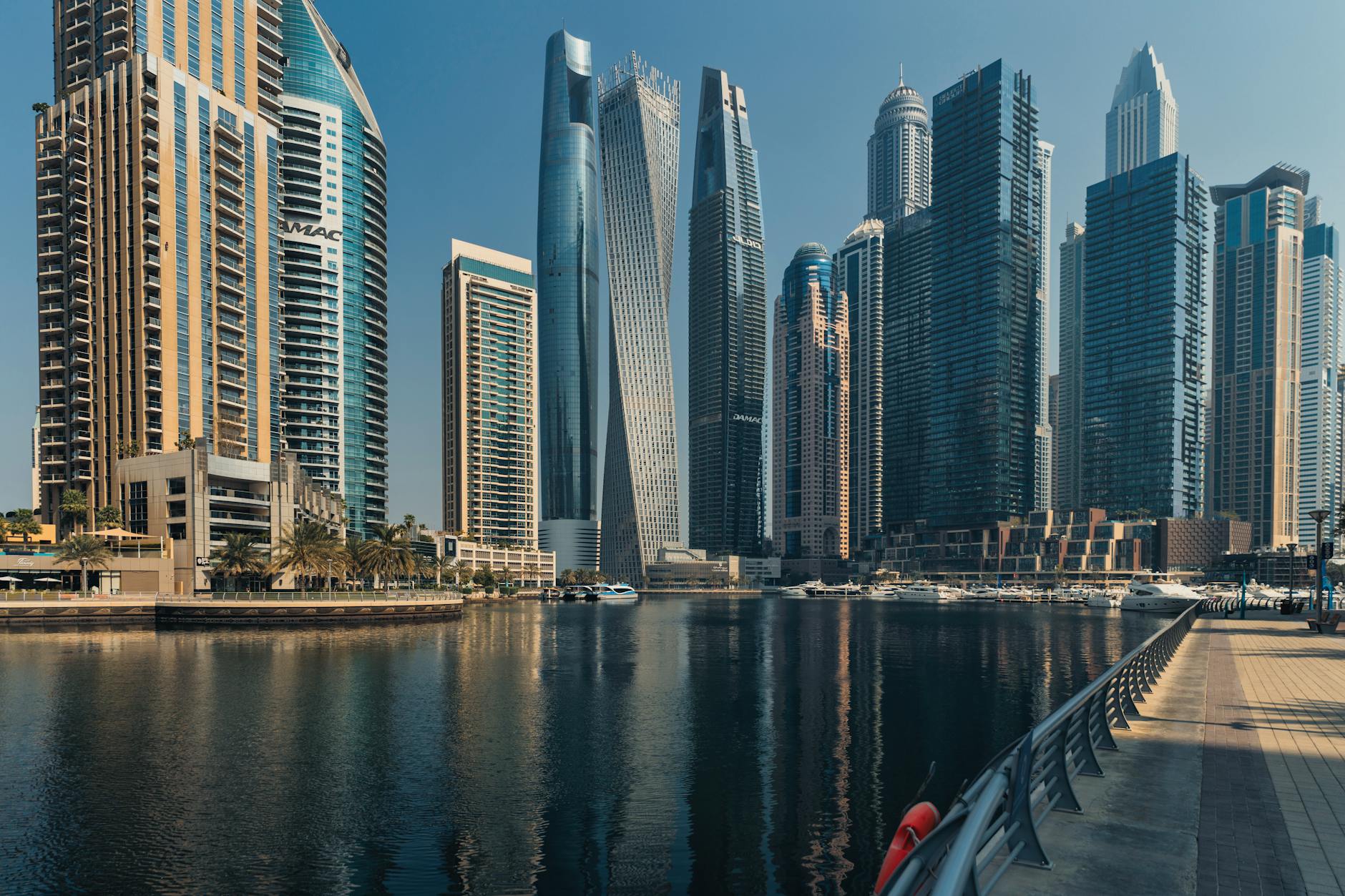
Dubai’s real estate hotspots are prime for P2P lending, with districts like Downtown Dubai and Dubai Marina leading growth. By 2026, Downtown is expected to see a 15% rise in property values, driven by Emaar’s Address Residences and lifestyle integrations. Developers such as Damac Properties are launching luxury off-plan units in these areas, where P2P loans finance 40% of mid-tier investments, per recent UAE reports.
Emerging spots like Dubai South and JVC offer high ROI potential, with average property prices at AED 1,200 per sq ft in 2025 forecasts. Sobha Realty’s sustainable developments in Dubai Hills align perfectly with P2P’s quick funding for green projects. We advise focusing on freehold zones where foreign investors can leverage P2P to secure stakes in high-demand rentals, projected to yield 7-8% amid population growth to 3.8 million by 2026.
- Downtown Dubai: Emaar-led skyscrapers; ideal for commercial flips.
- Dubai Marina: High-rise rentals; P2P funds yacht-view apartments.
- Jumeirah Village Circle: Affordable family homes; Damac expansions.
- Dubai South: Logistics hubs; Sobha’s eco-villas with 10% appreciation potential.
Navigating Risks and Best Practices with DCI Group’s Expertise
While peer-to-peer lending accelerates Dubai real estate financing, it is not without challenges. Default risks hover at 2-5% on platforms, lower than unsecured loans but worth monitoring through collateral like property liens. Market volatility, such as oil price fluctuations, could impact 2025 liquidity, so diversify lenders across platforms.
Best practices include thorough due diligence: verify platform ratings and borrower credit via DFSA tools. At DCI Group, our team conducts property valuations and lender matching, drawing on our deep UAE network to ensure deals align with your portfolio. Over the years, we have helped clients avoid pitfalls, securing P2P funds for over AED 200 million in real estate transactions.
Conclusion: Unlock Dubai’s Real Estate Potential with P2P Lending Today
In summary, peer-to-peer lending stands out as a swift, efficient financing tool for Dubai’s booming real estate market, offering lower barriers and tailored terms compared to banks. From funding Emaar’s Downtown projects to Damac’s JVC developments, it positions investors to capitalize on 2025-2026 growth, with transaction volumes eyeing AED 500 billion and yields up to 8%. Our 15+ years at DCI Group affirm that combining P2P with expert guidance minimizes risks and maximizes returns in districts like Dubai Marina and Dubai South.
Ready to explore how P2P lending fits your investment strategy? We invite you to request a free consultation with our specialists or our complimentary property selection service. Contact us today to discuss your Dubai real estate goals and take the first step toward secure, profitable financing.
⚠️ Disclaimer: This article provides general information and is not financial advice. Real estate investments carry risks; consult professionals for personalized guidance. Data projections for 2025-2026 are based on current market analyses and subject to change.
Image by: Markus Winkler
https://www.pexels.com/@markus-winkler-1430818