Portfolio Diversification: Mixing Residential and Hospitality Assets in Dubai
As Dubai continues to solidify its position as a global investment hub, savvy investors are turning to portfolio diversification to mitigate risks and maximize returns. Mixing residential and hospitality assets offers a balanced approach, leveraging the city’s booming tourism and stable housing demand. At DCI Group, with over 15 years of hands-on experience navigating the UAE market, we have guided countless clients through this strategy. In this article, you will discover why this combination works in Dubai, the specific benefits of each asset type, practical integration strategies, and forward-looking projections for 2025-2026. Expect actionable insights drawn from real market data to help you build a resilient portfolio.
Understanding Dubai’s Real Estate Landscape for Diversification
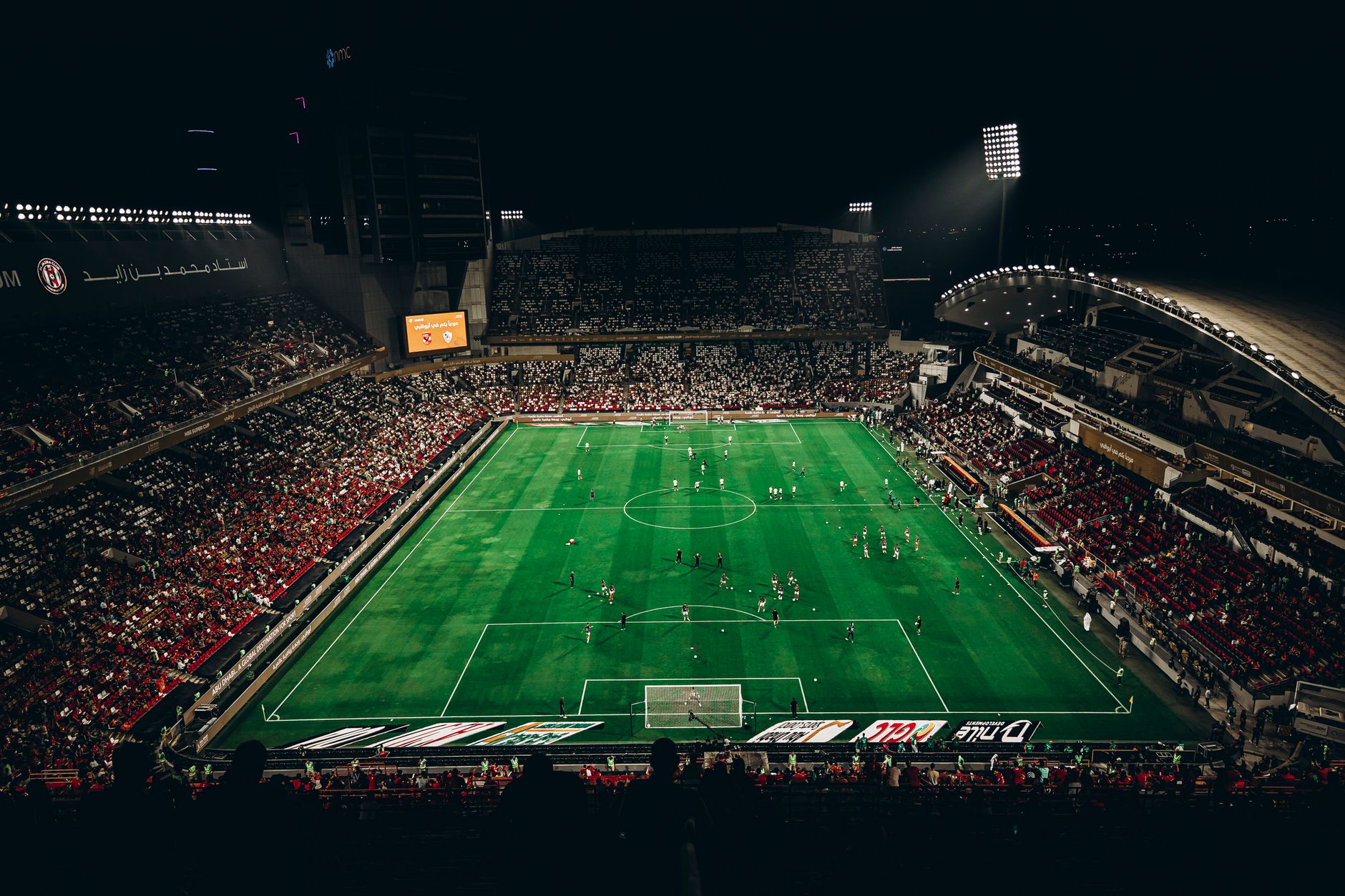
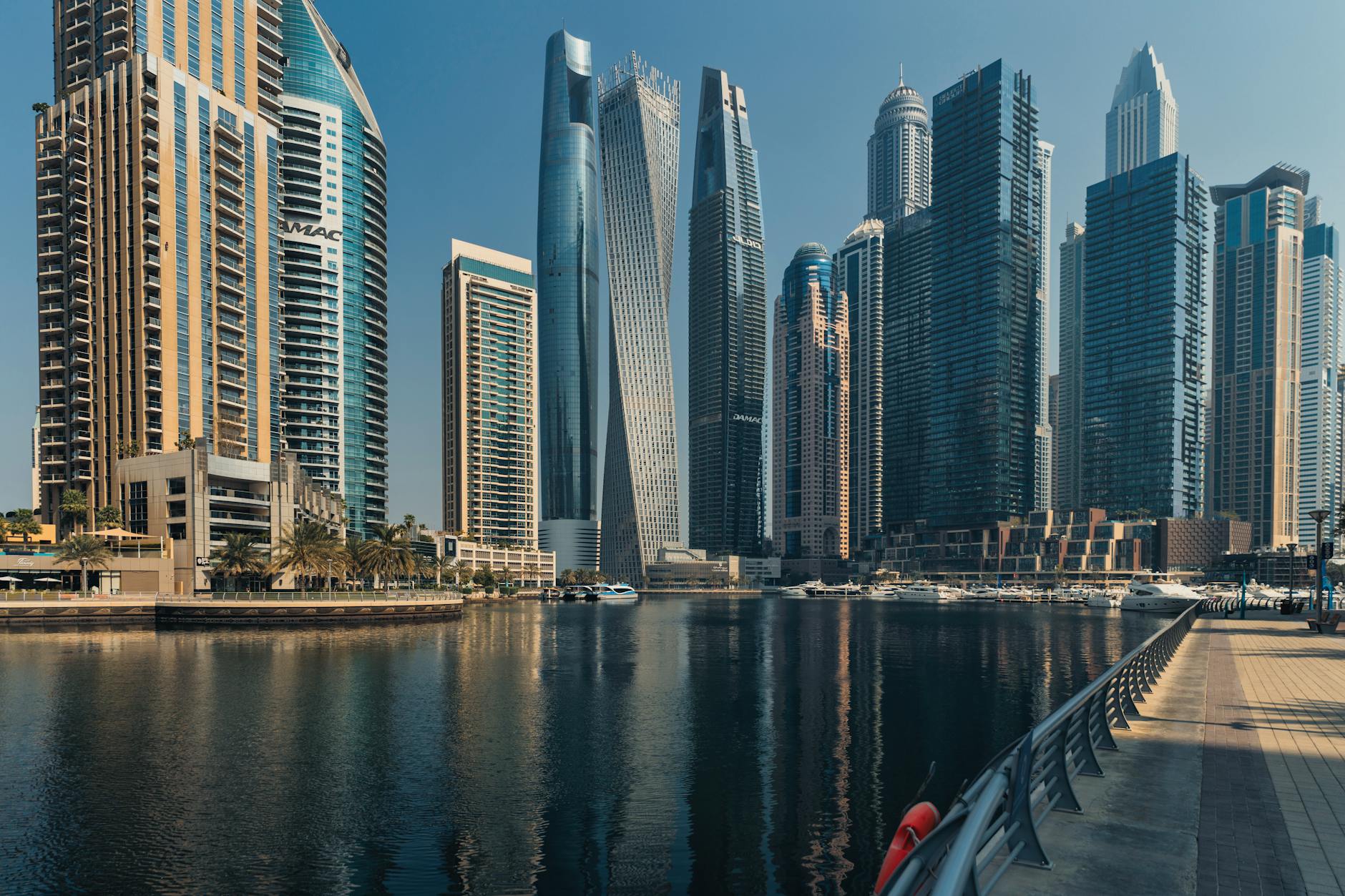
Dubai’s real estate market is projected to grow by 7-9% annually through 2026, driven by population influx and tourism recovery. The city’s Golden Visa program and tax-free environment make it ideal for international investors seeking stability. Residential properties, such as apartments in Dubai Marina or villas in Palm Jumeirah, provide consistent rental yields of 5-7%, while hospitality assets like hotels in Downtown Dubai tap into the expected 20 million annual visitors by 2025.
We at DCI Group emphasize that diversification reduces exposure to sector-specific downturns. For instance, during economic fluctuations, residential rentals offer steady income, whereas hospitality surges with events like Expo 2020’s lingering impact. By blending these, investors can achieve an average portfolio yield of 6-8%, according to recent Knight Frank reports adapted for 2025 projections.
The Strengths of Residential Assets in Your Portfolio
Residential investments form the backbone of many diversified portfolios due to their reliability. In districts like Jumeirah Village Circle, developed by Nakheel, demand from expatriates pushes occupancy rates to 95% in 2025 forecasts. Average property prices here range from AED 800,000 for a one-bedroom to AED 2.5 million for family homes, with capital appreciation expected at 4-6% yearly.
What sets residential assets apart is their lower volatility. Unlike commercial spaces, they benefit from Dubai’s 3.5 million resident population, growing by 2% annually. We recommend starting with off-plan purchases from developers like Emaar, which offer flexible payment plans and guaranteed returns. This segment not only hedges against inflation but also qualifies for long-term residency perks, making it a cornerstone for balanced growth.
Unlocking Opportunities in Hospitality Investments
Hospitality assets, including branded residences and hotel apartments, thrive on Dubai’s tourism boom. By 2026, the sector is set to contribute AED 100 billion to the economy, with developments like Meraas’s City Walk hotels achieving 85% occupancy. Yields here can reach 8-10%, surpassing residential averages, thanks to short-term leasing via platforms like Airbnb, which saw a 25% revenue uptick in 2024.
Investors drawn to hospitality gain from high footfall in areas such as Business Bay, where Emaar’s Address Hotels dominate. These properties often include revenue-sharing models, distributing profits from operations. At DCI Group, we have seen clients double their returns by timing entries during off-peak construction phases, capitalizing on the UAE’s goal of 25,000 new hotel rooms by 2025.
Strategies for Seamlessly Integrating Residential and Hospitality Assets
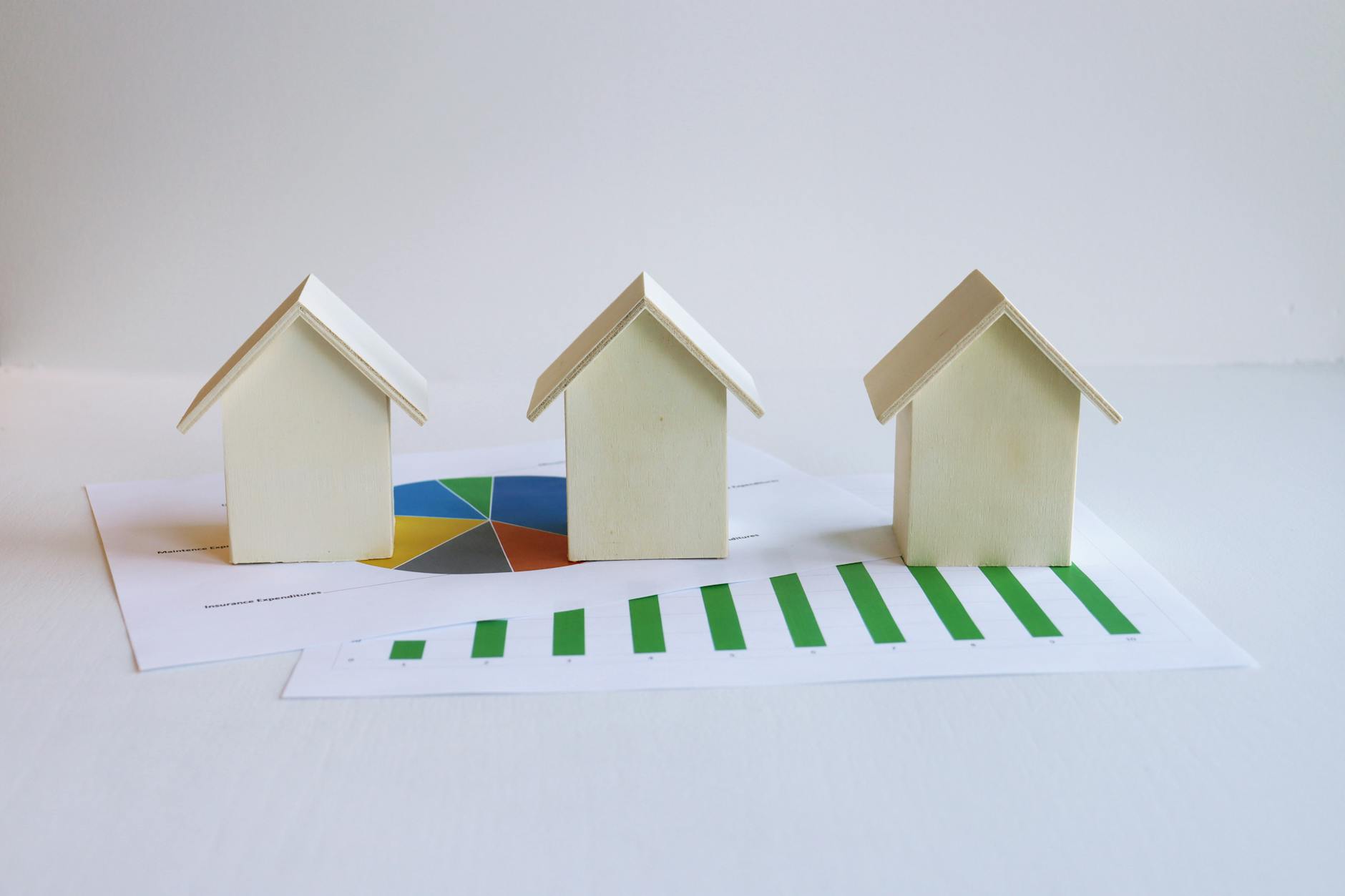
Effective diversification requires thoughtful allocation, typically 60% residential and 40% hospitality for optimal risk-reward balance. Start by assessing your risk tolerance: pair stable Dubai Hills Estate villas with dynamic hotel shares in Bluewaters Island. Use data-driven tools to monitor market cycles, ensuring liquidity through secondary markets like Dubai’s DLD portal.
A key strategy we advocate is geographic spread. Invest in residential for long-term appreciation in emerging areas like Al Furjan, while hospitality in tourist hotspots provides cash flow. For 2025-2026, allocate based on projected ROI:
| Asset Type | Expected Yield (2025) | Key Districts | Developer Example |
|---|---|---|---|
| Residential | 5-7% | Dubai Marina, Palm Jumeirah | Emaar |
| Hospitality | 8-10% | Downtown Dubai, City Walk | Meraas |
| Combined Portfolio | 6-8% | Mixed | N/A |
This integration not only boosts overall returns but also enhances tax efficiency under UAE regulations.
Future Projections and Risks to Consider
Looking ahead, Dubai’s real estate will benefit from infrastructure like the Etihad Rail expansion, boosting accessibility for both asset types. By 2026, residential prices may rise 10% in high-demand zones, while hospitality could see 15% growth from sustainable tourism initiatives. However, watch for oversupply risks in hospitality, mitigated by Dubai’s strict developer approvals.
At DCI Group, our expertise helps navigate these trends. We analyze data from sources like Bayut and Property Finder to forecast shifts, ensuring your portfolio aligns with macroeconomic factors such as oil price stability and global mobility.
In summary, mixing residential and hospitality assets in Dubai creates a robust, high-yield portfolio resilient to market shifts. With residential providing stability and hospitality driving growth, investors can target 6-8% returns through 2026 in prime districts like Dubai Marina and Downtown. This strategy, honed by our 15+ years at DCI Group, positions you for long-term success in the UAE’s dynamic market. Ready to diversify? Contact us today for a free consultation and personalized property selection. Our team will tailor recommendations to your goals, helping you secure the best opportunities without obligation.
⚠️ This article provides general insights and is not financial advice. Always consult qualified professionals for investment decisions tailored to your situation.
Image by: Kate Trysh
https://www.pexels.com/@katetrysh