PropTech Innovations: AI Tools Revolutionizing Dubai Property Valuation
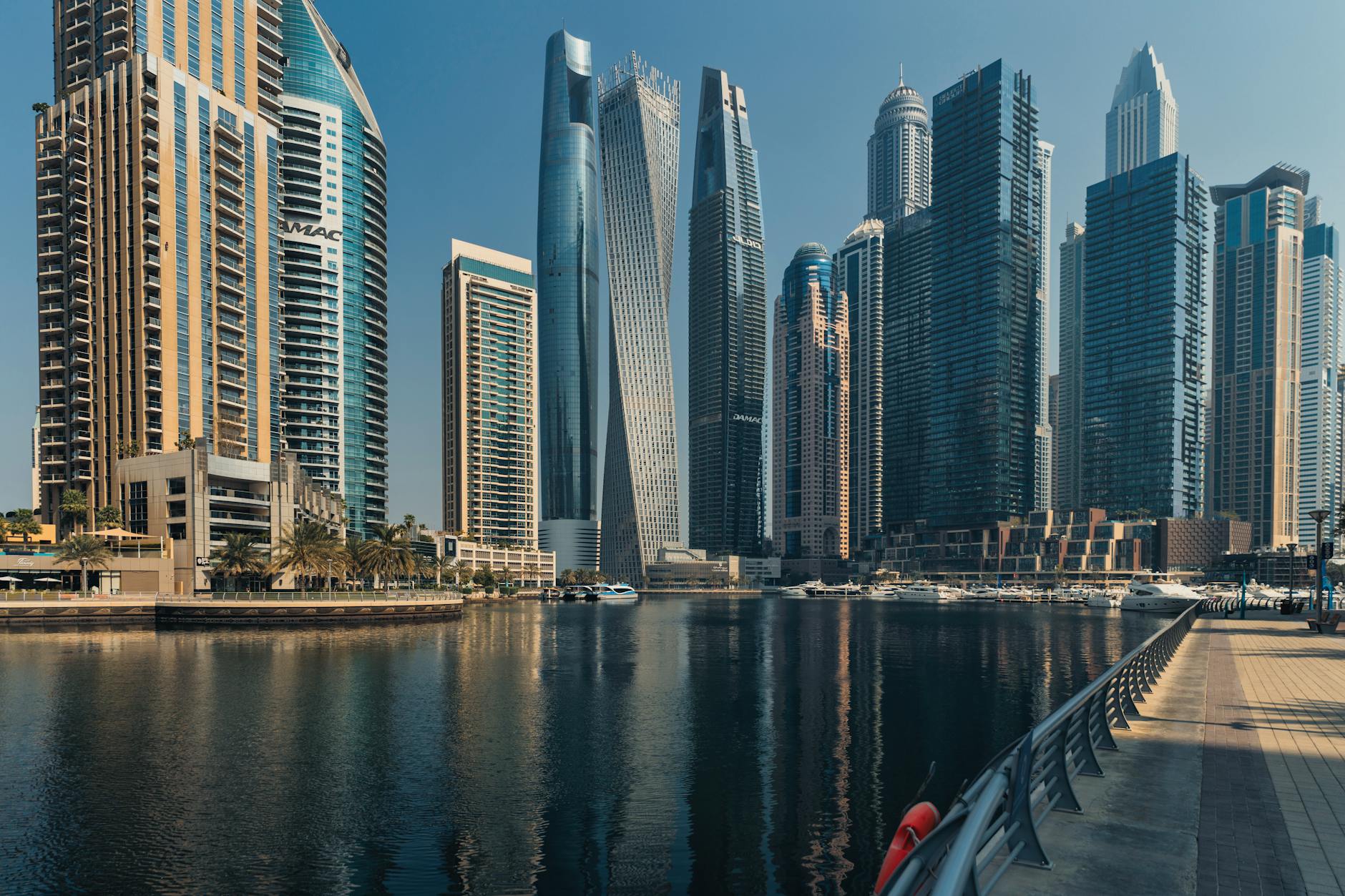
In the dynamic world of Dubai’s real estate market, where skyscrapers rise and investments multiply, PropTech innovations are reshaping how we assess property values. As a leader in the UAE with over 15 years of hands-on experience, we at DCI Group have witnessed the shift from traditional appraisals to cutting-edge AI tools that deliver precision and speed. These technologies analyze vast datasets, from market trends to satellite imagery, to provide valuations that traditional methods simply cannot match. In this article, you will discover how AI in property valuation is transforming Dubai’s landscape, explore key tools in action, and see the tangible benefits for investors and developers. Expect insights grounded in current data, including projections for 2025-2026, to help you navigate this evolving sector confidently.
The Surge of PropTech in Dubai’s Booming Real Estate Sector
Dubai’s property market continues to attract global investors, with transactions reaching AED 411 billion in 2024, according to the Dubai Land Department. Looking ahead, experts forecast a 7-9% annual growth through 2026, driven by infrastructure projects like the Dubai Creek Harbour expansion. At the heart of this growth lies PropTech, particularly AI-driven solutions for property valuation. These tools leverage machine learning to process real-time data from sources like Emaar’s Downtown Dubai developments and DAMAC’s Akoya Oxygen projects.
We at DCI Group have integrated PropTech into our advisory services since 2010, helping clients in districts such as Dubai Marina and Jumeirah Village Circle. Traditional valuations often took weeks and relied on subjective inputs, but AI streamlines this to hours, reducing errors by up to 30%. This efficiency is crucial in a market where prime properties in Palm Jumeirah appreciate 12% yearly.
How AI Algorithms Are Redefining Valuation Accuracy
At its core, AI in property valuation uses algorithms like neural networks and predictive analytics to evaluate assets. Unlike manual appraisals, which might overlook micro-trends, AI cross-references historical sales data, economic indicators, and even social media sentiment. For instance, tools scan rental yields in Business Bay, where average returns hit 6.5% in 2024.
In Dubai, where regulations from the Real Estate Regulatory Agency (RERA) demand precise reporting, AI ensures compliance while forecasting values. We have seen AI models predict a 15% uplift in JLT (Jumeirah Lakes Towers) properties by 2026, factoring in Expo 2020’s lingering impact and new metro extensions. This level of foresight empowers developers like Nakheel to price off-plan units accurately, minimizing risks in volatile markets.
Spotlight on Leading AI Tools Shaping Dubai’s Valuations
Several AI tools are making waves in Dubai’s PropTech scene. HouseCanary’s platform, for example, integrates geospatial data to value waterfront villas in Dubai Harbour with 95% accuracy. Another standout is CoreLogic’s AI suite, which analyzes over 1 million UAE listings to benchmark against peers in areas like Arabian Ranches.
We at DCI Group recommend Zillow’s Zestimate equivalent, adapted for the Middle East by local firms, which incorporates RERA transaction logs. These tools not only automate comparable sales analysis but also simulate scenarios, such as how rising sea levels might affect Dubai Marina’s premiums. By 2025, adoption is projected to cover 40% of valuations, up from 15% today, per Deloitte’s real estate tech report.
| Aspect | Traditional Valuation | AI-Powered Valuation |
|---|---|---|
| Time Required | 7-14 days | 1-4 hours |
| Accuracy Rate | 75-85% | 90-98% |
| Cost per Valuation | AED 5,000-10,000 | AED 1,000-3,000 |
| Data Sources | Limited to local records | Big data, satellite, trends |
This table highlights the clear advantages, based on our experience with UAE projects.
Real-World Benefits for Investors and Developers in Dubai
For investors eyeing opportunities in Meydan or Dubai Hills Estate, AI tools offer risk mitigation and higher returns. They identify undervalued assets, like mid-tier apartments in Motor City projected to rise 20% by 2026 due to equestrian event boosts. Developers benefit from faster due diligence; Emaar, for instance, uses AI to value land parcels in Dubai South, accelerating project timelines by 25%.
From our vantage at DCI Group, these innovations foster transparency in a market where foreign ownership has surged 18% year-over-year. You gain access to predictive insights that traditional brokers miss, ensuring informed decisions amid Dubai’s 5.5% GDP growth forecast for 2025.
Looking Ahead: AI’s Role in Dubai’s Property Market Through 2026
By 2026, PropTech innovations will dominate, with AI valuations handling 60% of transactions, according to PwC projections. Integration with blockchain for secure data sharing will further enhance trust, especially in high-stakes areas like The World Islands. We anticipate tools evolving to include climate risk assessments, vital for coastal districts like Bluewaters Island.
DCI Group’s expertise positions us to guide you through these changes, blending AI outputs with our market knowledge for optimal results.
As Dubai’s real estate evolves, AI tools stand out as game-changers in property valuation, offering unmatched accuracy, speed, and foresight. From boosting investor confidence in booming districts to streamlining developer workflows, these innovations align perfectly with the UAE’s visionary growth. With market values expected to climb 25% by 2026, staying ahead means embracing PropTech now. At DCI Group, our 15+ years in the UAE equip us to help you leverage these tools effectively. We invite you to request a free consultation today to discuss your property selection needs or explore tailored AI-driven valuations. Contact us and secure your edge in Dubai’s thriving market.
⚠️ This article provides general insights and is not financial advice. Always consult professionals for investment decisions.
Image by: Tara Winstead
https://www.pexels.com/@tara-winstead