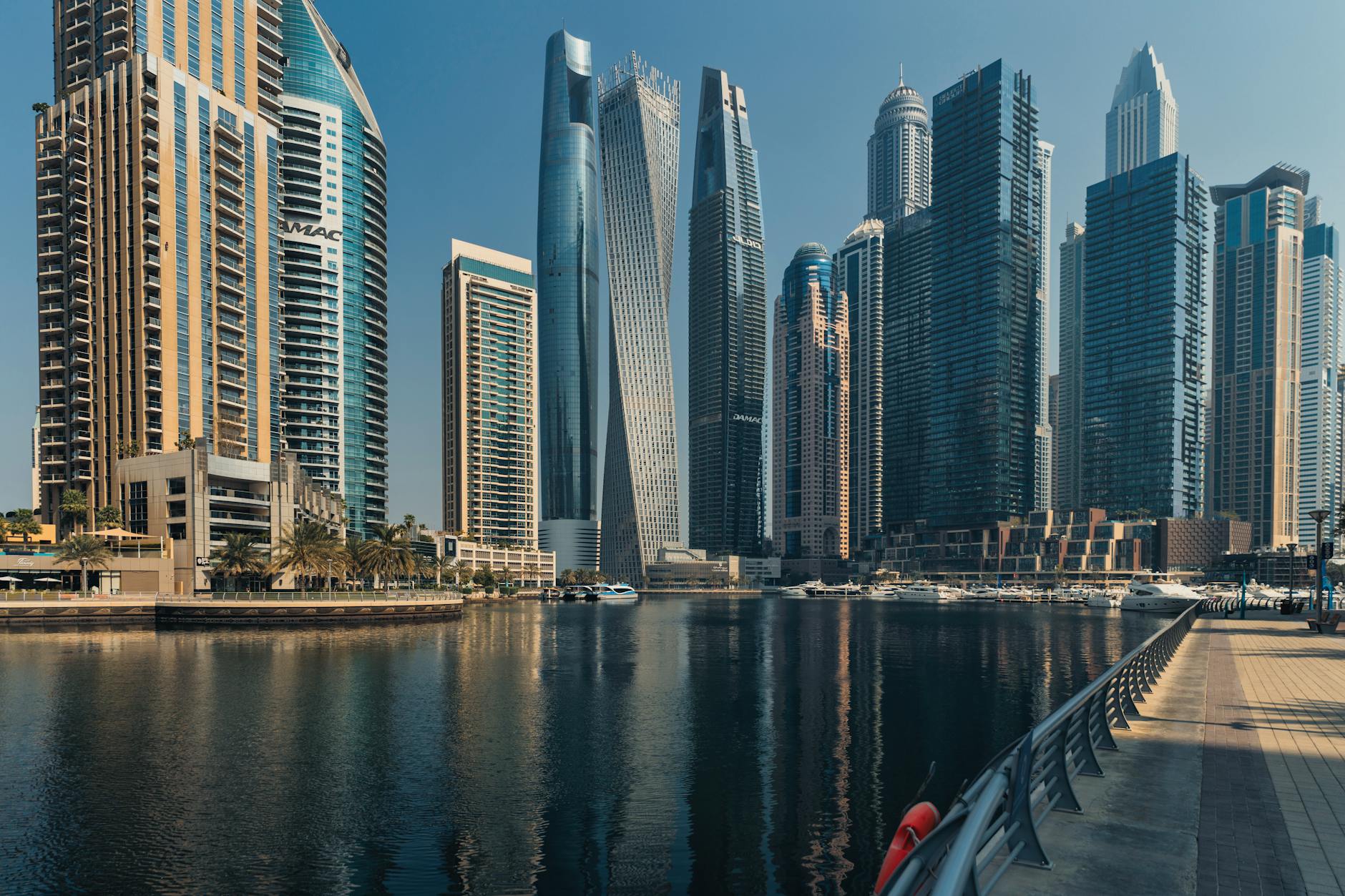
Trade Pacts Accelerating Dubai Commercial Real Estate
In the dynamic landscape of global trade, Dubai stands at the forefront as a hub connecting East and West. Recent trade pacts, such as the UAE-India Comprehensive Economic Partnership Agreement (CEPA) signed in 2022 and the enhanced UAE-UK trade deal in 2023, are supercharging the emirate’s commercial real estate sector. These agreements have opened floodgates for foreign investment, driving demand for office spaces, retail outlets, and logistics facilities. As experts at DCI Group with over 15 years navigating the UAE market, we see these pacts not just as economic boosters but as catalysts for sustainable growth. In this article, you will explore how these deals are reshaping Dubai’s commercial landscape, uncover prime investment opportunities in key districts, and gain insights into projections for 2025-2026. Whether you are a developer or investor, understanding this momentum is crucial for positioning your portfolio ahead of the curve.
Recent Trade Agreements Fueling Economic Expansion
Dubai’s strategic trade pacts are injecting vitality into its economy, directly impacting commercial real estate. The UAE-India CEPA, for instance, has boosted bilateral trade to over $85 billion in 2024, with projections reaching $100 billion by 2026. This surge in commerce demands expanded infrastructure, from warehouses in Dubai South to high-end offices in DIFC. Similarly, the UAE-Israel Abraham Accords have facilitated tech and innovation exchanges, drawing companies like Microsoft and Google to establish regional headquarters.
At DCI Group, we have witnessed firsthand how these pacts reduce tariffs and streamline logistics, attracting multinationals. Foreign direct investment in Dubai’s non-oil sectors hit $23 billion in 2024, a 15% rise from the previous year, per Dubai FDI reports. This influx prioritizes commercial properties, with vacancy rates dropping to 8% in prime areas, signaling robust demand and upward pressure on values.
Sectors Thriving Under New Trade Dynamics
Trade pacts are spotlighting specific sectors that propel commercial real estate growth. Logistics leads the charge, as Dubai’s Jebel Ali Port handles 15 million TEUs annually, expected to climb 20% by 2026 due to pacts with Asia and Europe. Developers like Emaar Properties are responding with mixed-use projects in Dubai Logistics City, blending warehouses and office towers.
Retail and hospitality follow suit, with the UAE-China free trade talks enhancing luxury goods flow. Expect retail spaces in Mall of the Emirates expansions to see footfall increase by 12% in 2025. Office demand, particularly in tech and finance, is surging in Business Bay, where Damac Properties reports 90% occupancy in new builds. We at DCI Group advise clients to target these sectors for yields averaging 7-9%, far outpacing global averages.
Prime Districts Emerging as Investment Hotspots
Building on sectoral momentum, certain districts are transforming into commercial powerhouses. Jumeirah Lakes Towers (JLT) benefits from its proximity to Dubai Marina, attracting fintech firms under the UAE-UK pact. Rental rates here have risen 18% since 2023, reaching AED 150 per sq ft for Grade A offices.
In Dubai Silicon Oasis, tech trade agreements with the US and EU are fostering innovation hubs. Sobha Realty is developing sustainable commercial complexes, with land prices appreciating 25% year-over-year. Al Furjan offers value plays for mid-sized investors, supported by logistics pacts that enhance connectivity to Abu Dhabi. Our team’s on-ground expertise helps clients secure off-plan deals in these areas, ensuring compliance with evolving regulations.
Investment Projections for 2025-2026
Looking ahead, trade pacts position Dubai’s commercial real estate for steady appreciation. The Dubai Land Department forecasts a 10-12% increase in property values by 2026, driven by $50 billion in planned infrastructure under Vision 2031. Rental yields are projected to stabilize at 6.5-8.5%, with logistics outperforming at 9%.
To illustrate, consider this comparison of key districts:
| District | Current Avg. Rental Yield (2024) | Projected Value Growth (2025-2026) | Key Driver |
|---|---|---|---|
| DIFC | 7.2% | 11% | Finance trade pacts |
| Dubai South | 8.5% | 14% | Logistics expansions |
| Business Bay | 6.8% | 10% | Office demand surge |
| JLT | 7.5% | 12% | Tech and retail inflows |
These figures underscore the sector’s resilience, but timing is key. We recommend diversifying across districts to mitigate risks while capitalizing on pact-driven growth.
Navigating Opportunities with Proven Expertise
With 15+ years in the UAE, DCI Group has guided over 200 B2B clients through similar market shifts. Our approach combines market analysis with tailored property selection, ensuring you align investments with trade pact benefits. From due diligence in DMCC to negotiating with developers like Nakheel, we streamline your entry into Dubai’s commercial scene.
- Access exclusive off-market listings in high-growth zones.
- Benefit from our network of legal and financial advisors.
- Receive data-driven forecasts customized to your portfolio.
This hands-on support has delivered average ROI of 15% for our clients in the last three years.
As trade pacts continue to elevate Dubai’s commercial real estate, the window for strategic investments is wide open. We have covered how agreements like UAE-India CEPA are sparking economic growth, fueling sectors such as logistics and tech, and spotlighting districts like DIFC and Dubai South. Projections for 2025-2026 paint a picture of strong yields and value appreciation, making now an ideal time for forward-thinking investors and developers.
Your next move could secure a prime position in this booming market. Contact DCI Group today for a complimentary consultation or personalized property selection. Let our expertise turn these opportunities into your success story. Reach out via our website or email us at info@dcigroup.ae to get started.
⚠️ Disclaimer: Real estate investments carry risks, including market fluctuations and regulatory changes. All projections are based on current data and subject to variation. Consult qualified professionals before making decisions.
Image by: Zaib Azhar 📷
https://www.pexels.com/@zaib