Vertical Forest Towers: Urban Greening Investments in Dubai Skyscrapers
Dubai continues to redefine urban living through ambitious projects that combine high-rise architecture with extensive greenery. Vertical forest towers represent a growing segment of this evolution, where developers integrate thousands of trees and plants into skyscraper facades and terraces. These structures address rising demand for sustainable properties while offering investors exposure to premium real estate in established districts. Over the next two years, several new towers are scheduled to reach completion, supported by updated green building regulations and investor interest in long-term environmental performance. This article examines the practical aspects of these investments, current market indicators, and how experienced partners can guide selection decisions.
The Concept and Practical Benefits of Vertical Forest Towers
Vertical forest towers incorporate living vegetation across multiple levels to improve air quality, reduce heat absorption, and enhance visual appeal. In Dubai’s climate, these systems rely on advanced irrigation and structural engineering to maintain plant health year-round. Property buyers gain access to residences and offices that meet higher environmental standards, often qualifying for reduced service fees and stronger resale values. The approach aligns with Dubai’s broader push toward net-zero targets by 2050, making such assets more resilient to future regulatory changes.
Key Projects Underway in Established Districts
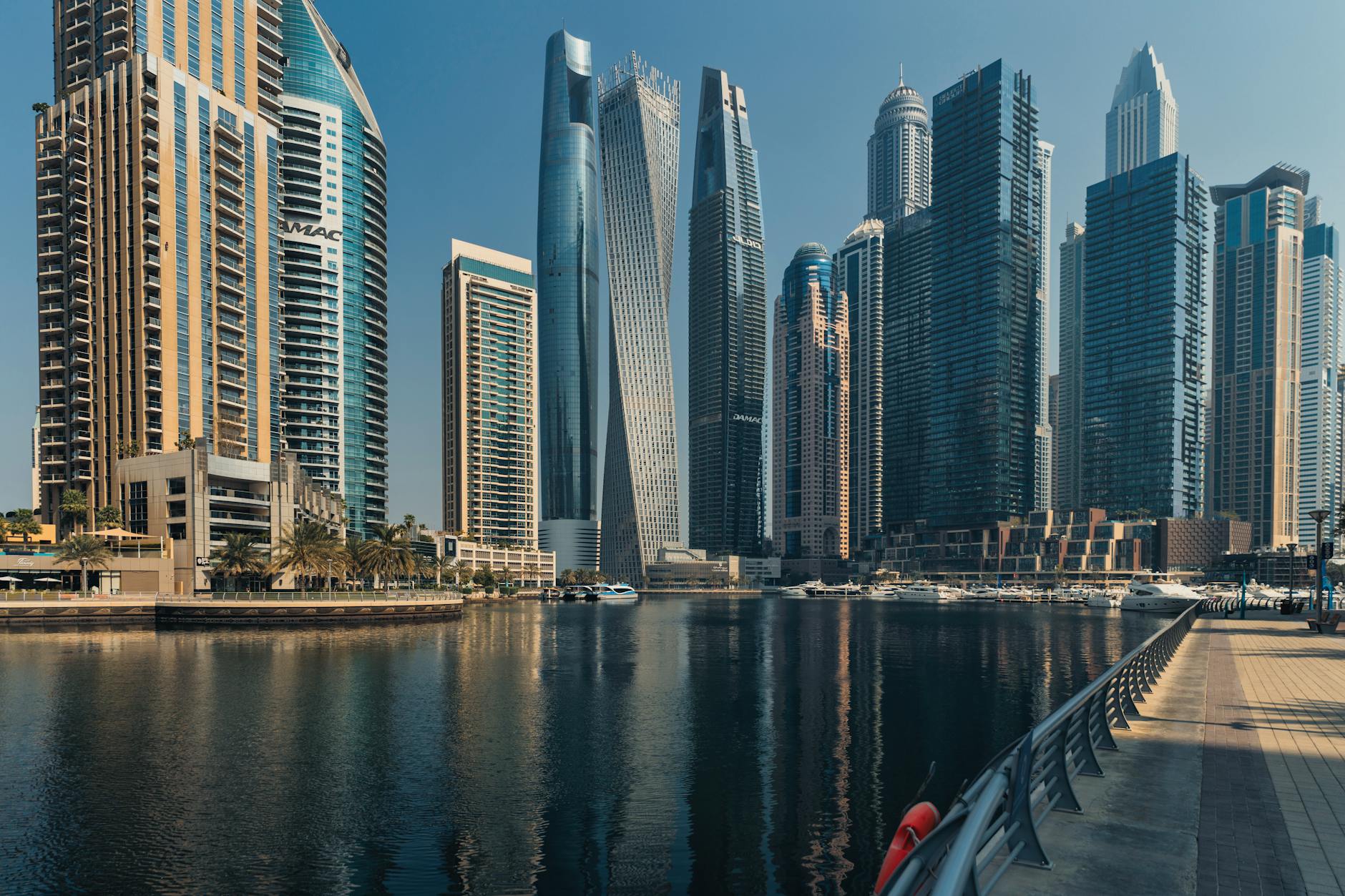
Several developers are advancing vertical forest towers in prime locations. In Dubai Marina, Emaar Properties has incorporated green terraces into its latest 48-storey residential tower scheduled for handover in early 2026. Business Bay features Damac Properties’ 42-storey mixed-use building with over 1,200 integrated trees, expected to complete by mid-2025. Further north in Jumeirah Lakes Towers, Nakheel is delivering a 35-storey office tower that combines vertical gardens with smart water recycling systems. These projects demonstrate how established districts are adapting to sustainability requirements while maintaining high occupancy rates above 85 percent.
Market Data and Investment Indicators for 2025-2026
Recent transaction records show consistent growth in demand for green-certified properties. The following table summarizes key figures from current market reports:
| District | Average Price per Sq Ft (AED) | Projected Annual Appreciation | Green Certification Uptake |
|---|---|---|---|
| Dubai Marina | 2,150 | 7.8% | 62% |
| Business Bay | 1,890 | 8.4% | 71% |
| Jumeirah Lakes Towers | 1,720 | 6.9% | 55% |
These numbers reflect transactions recorded through the first quarter of 2025 and incorporate revised service charge structures for buildings with extensive landscaping.
Regulatory Environment and Long-Term Value Drivers
Dubai Municipality updated its green building code in late 2024, requiring new towers above 30 storeys to allocate at least 15 percent of facade area to vegetation. Compliance affects permitting timelines and insurance premiums. Investors who select projects already aligned with these standards position themselves for smoother ownership and stronger tenant retention. We have observed that buildings meeting these criteria maintain occupancy levels 12 to 15 percent above market averages in comparable non-green towers.
Partnering with DCI Group for Informed Decisions
With more than 15 years of direct experience in the UAE real estate sector, we assist clients in evaluating vertical forest towers against specific investment criteria. Our team conducts on-site assessments, reviews developer track records, and models projected returns based on current transaction data. We help identify properties that balance environmental features with sound financial metrics. Readers interested in exploring suitable options can request a free consultation to discuss property selection tailored to their objectives.
In summary, vertical forest towers combine architectural innovation with measurable investment characteristics in Dubai’s established districts. Market indicators through 2026 point to continued interest in sustainable assets that meet updated regulations. Partnering with specialists who understand both technical requirements and local transaction patterns supports more confident decisions. Contact DCI Group today to arrange your complimentary consultation and begin the property selection process.
⚠️ This article provides general information only and does not constitute financial, legal, or investment advice. Property values and regulations may change. Readers should conduct independent verification before making any decisions.
Image by: Christian Konopatzki
https://www.pexels.com/@christian-konopatzki-1923628