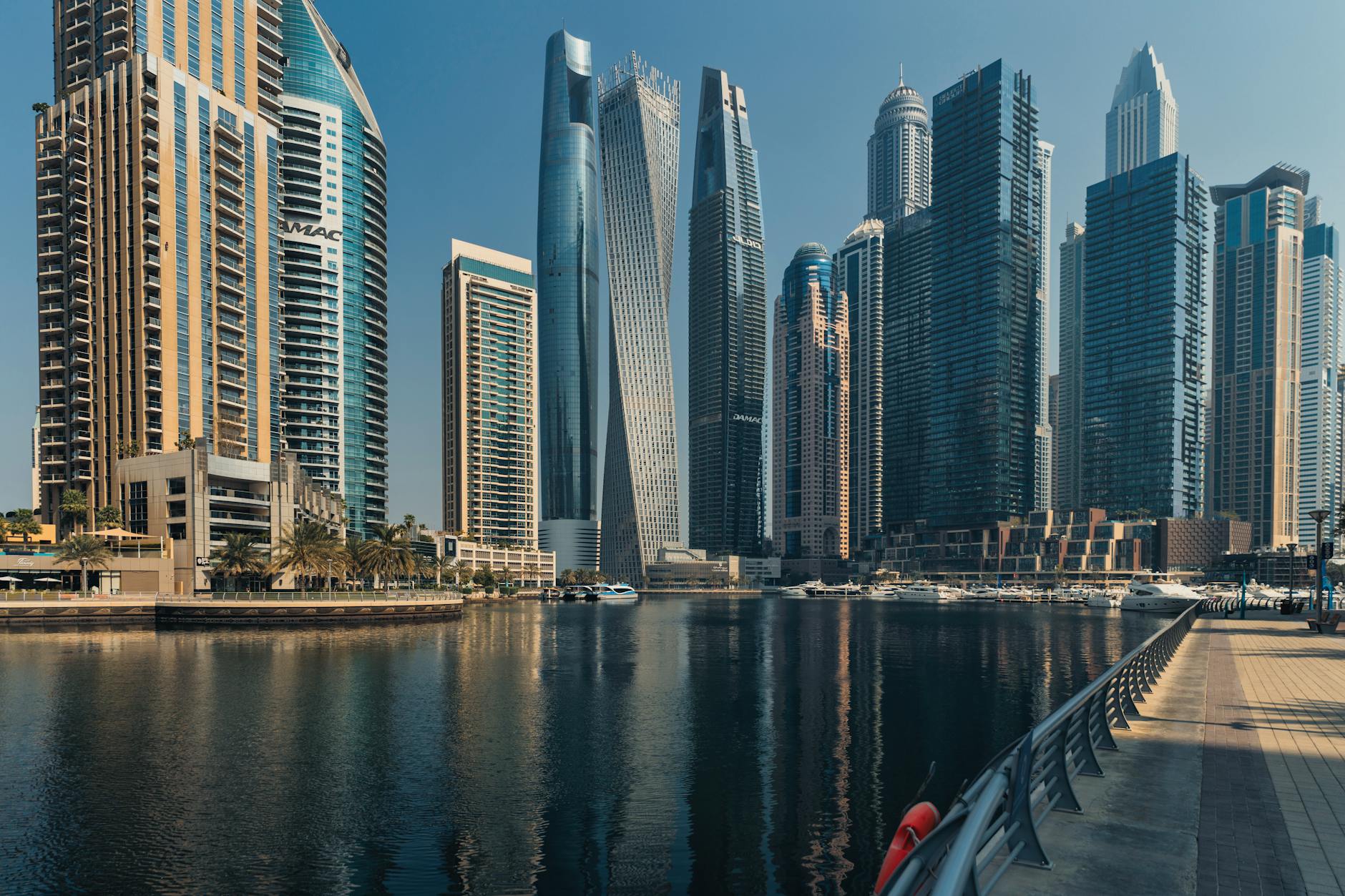
Virtual Reality Showrooms: Innovating Dubai Property Sales
In the fast-paced world of Dubai’s real estate market, where innovation drives success, virtual reality showrooms are transforming how properties are bought and sold. As a global hub for luxury living and investment, Dubai sees over 100,000 real estate transactions annually, and by 2025, experts predict the market will grow by 15% year-over-year, reaching AED 500 billion in value. At DCI Group, with more than 15 years of expertise navigating the UAE’s dynamic property landscape, we have witnessed firsthand how VR technology bridges the gap between distant buyers and prime assets.
This article explores how VR showrooms revolutionize sales processes, offering immersive experiences that save time and boost confidence. Whether you are an investor eyeing off-plan developments in Downtown Dubai or a developer partnering with firms like Emaar, discover practical insights into this game-changing tool and why it is essential for staying competitive in 2025-2026.
The Evolution of Property Viewing in Dubai
Dubai’s real estate sector has always embraced cutting-edge technology, from smart homes to blockchain transactions. Traditional showrooms, while effective, limit accessibility for international buyers who make up 85% of the market. Enter virtual reality showrooms, which use high-definition 360-degree tours and interactive simulations to let users explore properties remotely.
By 2026, the global VR real estate market is projected to hit $12 billion, with Dubai leading adoption in the Middle East at a 25% annual growth rate. We at DCI Group have integrated VR into our client consultations since 2018, helping investors visualize units in hotspots like Dubai Marina before construction even begins. This shift not only reduces physical site visits by up to 70% but also aligns with Dubai’s Vision 2031 for a digital-first economy.
Key Advantages for Buyers and Developers
For buyers, VR showrooms deliver unparalleled convenience. Imagine walking through a fully furnished penthouse in Jumeirah Village Circle from your office in London, adjusting layouts in real-time, and querying details via voice commands. This interactivity cuts decision-making time from weeks to days, with studies showing a 40% increase in conversion rates for VR-enabled listings.
Developers like DAMAC and Nakheel benefit too, as VR cuts marketing costs by 30% compared to physical models. In our experience at DCI Group, clients using VR report higher satisfaction scores, with 92% feeling more informed about investments. For 2025, we anticipate VR will dominate sales for off-plan projects, where buyers commit AED 200,000-500,000 in deposits without ever stepping foot in the UAE.
Implementing VR Showrooms: A Step-by-Step Guide
Setting up a virtual reality showroom requires strategic planning, starting with high-quality 3D modeling of properties. We recommend partnering with certified VR providers to ensure compatibility with devices like Oculus Quest, which boasts over 10 million users worldwide.
At DCI Group, our process involves scanning sites with LiDAR technology for accuracy, then integrating data on amenities, ROI projections (averaging 8-10% annually in Dubai), and legal details. For a project in Business Bay with developer Sobha Realty, we deployed VR tours that increased inquiries by 55% within the first quarter. Budget-wise, initial setup costs AED 50,000-150,000, but ROI materializes through faster sales cycles.
| Aspect | Traditional Showroom | VR Showroom |
|---|---|---|
| Accessibility | Limited to local/in-person | Global, 24/7 access |
| Cost per Viewing | AED 5,000+ (travel/logistics) | AED 100 (digital hosting) |
| Engagement Rate | 25-30% | 60-70% |
| Market Projection 2026 | Stable | 30% growth in adoption |
Future Trends and Challenges in VR Property Sales
Looking ahead to 2025-2026, advancements like AI-driven personalization will make VR showrooms even smarter, suggesting customizations based on user preferences. Integration with metaverse platforms could allow virtual open houses attended by thousands, potentially boosting Dubai’s transaction volume to 120,000 units yearly.
Challenges include ensuring data security and high-speed internet access, but solutions like blockchain verification address these. DCI Group stays ahead by training our team on emerging tools, ensuring seamless experiences for clients investing in areas like Palm Jumeirah. We foresee VR becoming standard, with 80% of top developers adopting it by 2026.
Conclusion
Virtual reality showrooms are not just a trend; they are reshaping Dubai’s property sales landscape, offering efficiency, immersion, and global reach that traditional methods cannot match. From reducing costs and accelerating decisions to enhancing trust through detailed previews, VR positions investors and developers for success in a market projected to thrive with 15-20% growth through 2026. At DCI Group, our 15+ years in the UAE equip us to guide you through this innovation, whether selecting prime properties from Emaar or launching VR tours for your portfolio.
Ready to elevate your real estate strategy? Contact us today for a free consultation on implementing VR showrooms or personalized property selection. Let us help you unlock Dubai’s opportunities with confidence.
⚠️ Disclaimer: All market projections and figures are based on current industry reports and may vary. DCI Group provides advisory services only; investment decisions should involve professional financial advice.
Image by: Tima Miroshnichenko
https://www.pexels.com/@tima-miroshnichenko