Dubai Real Estate: Mastering Leasehold vs Freehold Dynamics for Maximum ROI
As Dubai continues to attract global capital, understanding the distinction between leasehold and freehold properties has become essential for investors seeking sustainable returns. In 2025 and 2026, the emirate’s market is projected to see annual transaction volumes exceed 120,000 units, with freehold zones driving much of the appreciation. At DCI Group, we have spent over 15 years guiding clients through these ownership structures in the UAE. This article breaks down the mechanics of each option, highlights performance data from key districts, and outlines clear strategies to align property choices with your financial goals. You will finish with actionable insights to evaluate opportunities confidently.
Defining Leasehold and Freehold Ownership Structures
Dubai’s property laws grant investors two primary ownership models. Freehold titles allow full ownership of land and buildings for an indefinite period, predominantly available to international buyers in designated zones. Leasehold arrangements provide usage rights for a fixed term, often 99 years, with ownership reverting to the master developer at expiry. Both models operate under RERA oversight, yet they produce markedly different cash-flow profiles and exit options. We recommend clarifying the title type at the outset of any search to avoid mismatched expectations.
Performance Comparison: ROI Data for 2025-2026
Market evidence shows clear divergence in returns. Freehold assets in established communities have delivered average annual capital growth of 8.4 percent between 2023 and 2025, while leasehold units averaged 4.9 percent over the same period. Rental yields also differ: prime freehold apartments frequently achieve 6.8-7.5 percent gross yields, compared with 5.2-6.1 percent for leasehold equivalents. The table below summarises key indicators for the coming two years.
| Metric | Freehold | Leasehold |
|---|---|---|
| Average Capital Growth (2025-2026 forecast) | 7.9% | 4.6% |
| Gross Rental Yield | 6.8-7.5% | 5.2-6.1% |
| Resale Liquidity | High | Moderate |
| Financing Options | Standard mortgages | Restricted lenders |
These figures underscore why many of our clients prioritise freehold titles when targeting long-term wealth accumulation.
Districts Offering the Strongest Dynamics
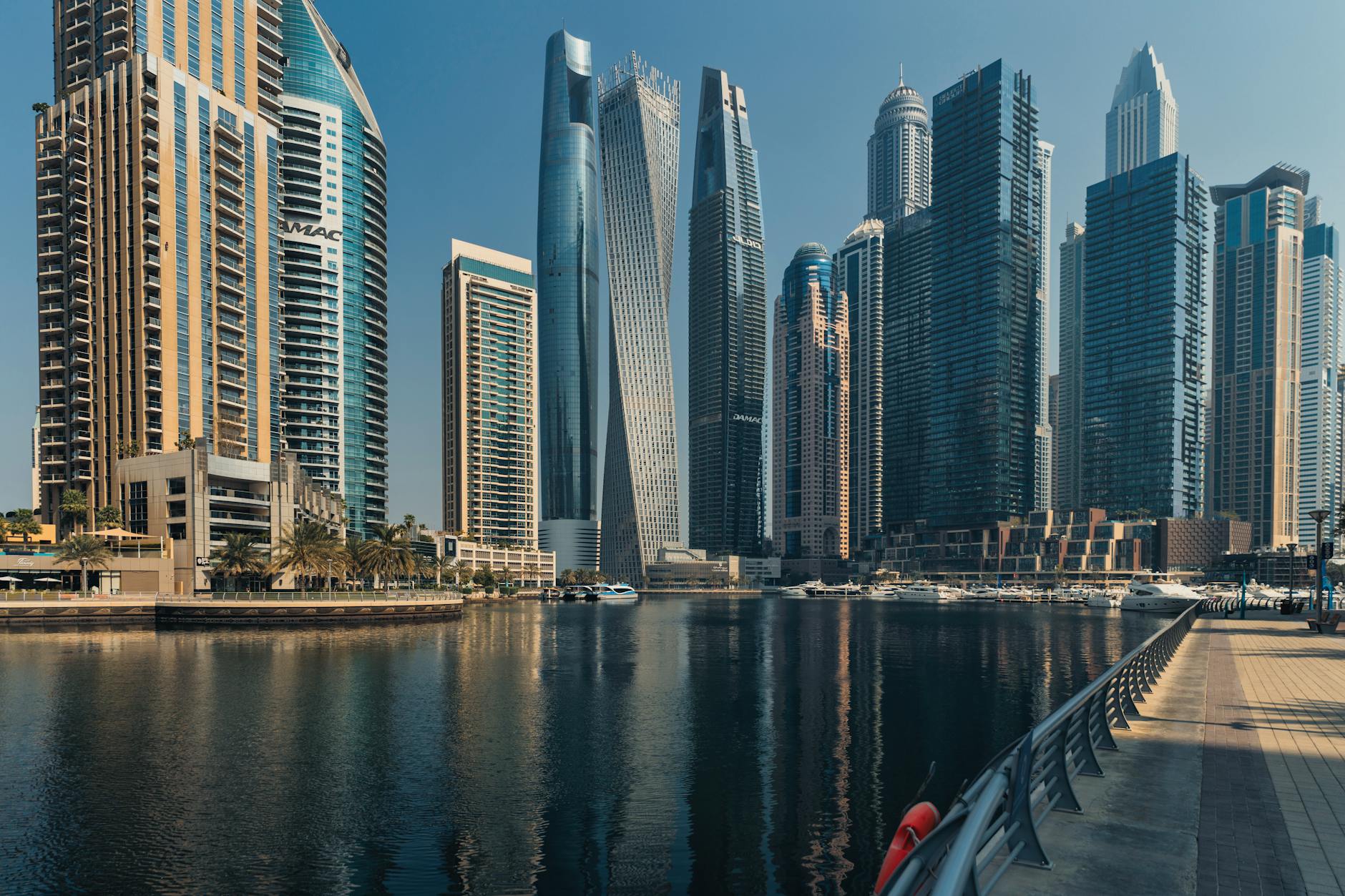
Location multiplies the impact of ownership type. Dubai Marina and Emirates Hills remain benchmark freehold communities, with median apartment prices reaching AED 2.1 million and AED 4.8 million respectively in early 2025. Jumeirah Village Circle and Dubai South present a mix of both structures; leasehold plots here still deliver solid yields when purchased from established master developers such as Nakheel or DAMAC. We track absorption rates closely and note that freehold inventory in Business Bay sold out 18 percent faster than comparable leasehold stock during the first quarter of 2025.
Practical Steps to Align Ownership Choice with Investment Goals
Begin by defining your horizon. Investors planning a five-year exit benefit from freehold assets in mature zones such as Downtown Dubai, developed by Emaar. Those comfortable with longer holds can consider 99-year leasehold opportunities in emerging areas like Emaar South, where entry prices remain 25 percent lower. Engage a legal adviser early to review service-charge projections and master-community rules. At DCI Group, we maintain direct relationships with RERA-registered developers and can model net returns after fees within 48 hours of receiving your criteria.
Navigating Risks and Maximising Value
Market cycles and regulatory updates can shift outcomes. Leasehold contracts nearing the 50-year mark often face steeper financing hurdles, while freehold properties in high-density areas may encounter rising service charges. We mitigate these variables by stress-testing every shortlist against three economic scenarios and by negotiating payment-plan terms that preserve liquidity. Continuous monitoring of Dubai Land Department data allows us to flag any emerging constraints before they affect client portfolios.
In summary, the choice between leasehold and freehold ownership directly shapes both income stability and capital appreciation in Dubai’s evolving market. By focusing on verified data from established districts and working with specialists who understand local regulations, investors can position themselves for superior risk-adjusted returns through 2026 and beyond. Contact DCI Group today to request your complimentary portfolio review and receive tailored property shortlists aligned with your objectives.
⚠️ This article provides general market information and does not constitute financial, legal or investment advice. Property values and regulations can change. Always consult qualified professionals before making decisions.
Image by: Kate Trysh
https://www.pexels.com/@katetrysh