Strategic Timing for Dubai Property Purchases During Economic Shifts
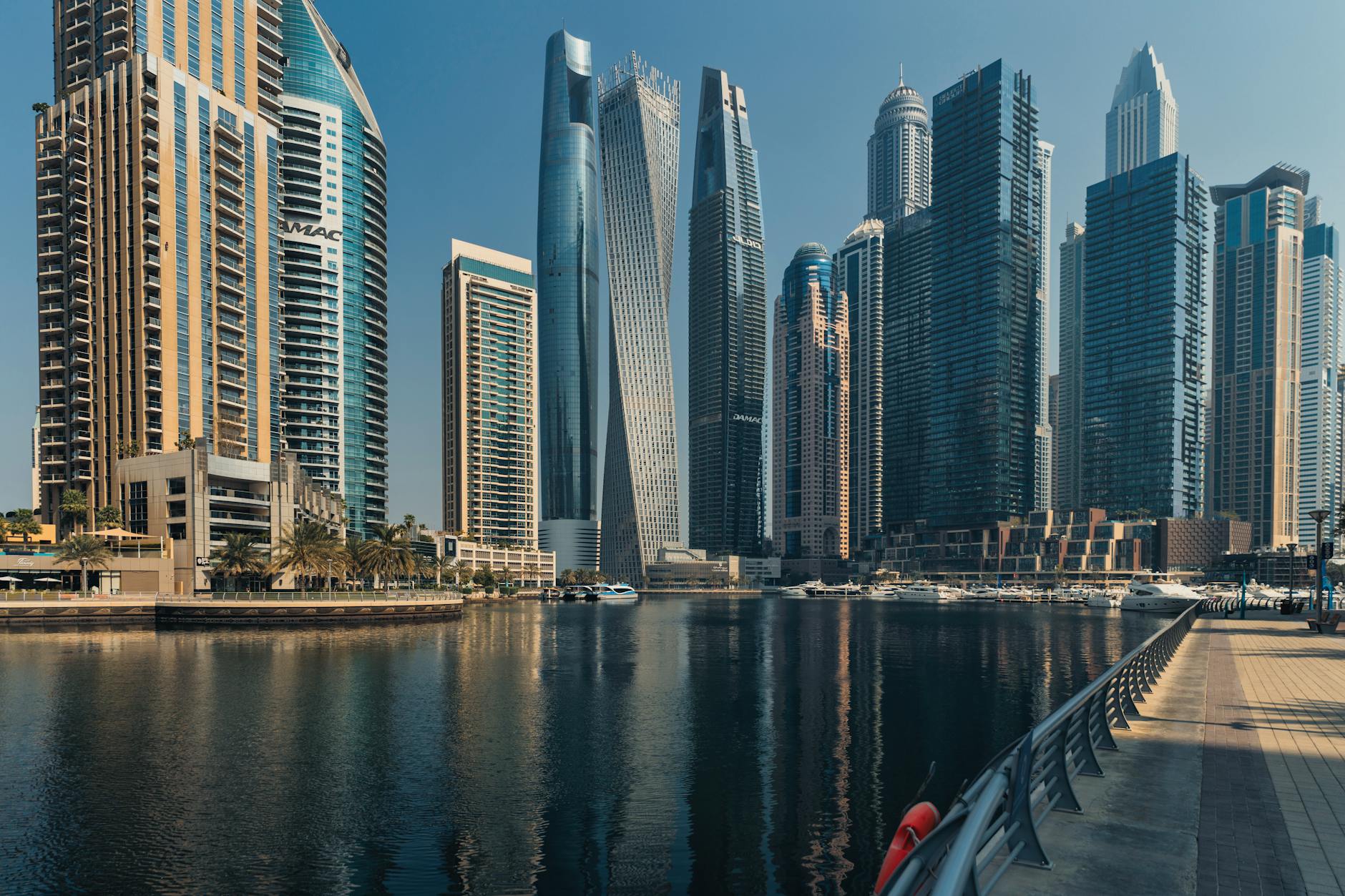
In Dubai’s dynamic real estate market, economic shifts create both opportunities and risks for investors. Fluctuations in global oil prices, interest rates, and regional trade flows directly influence property values across key districts. Understanding when to enter the market can determine whether your investment yields strong returns or faces prolonged stagnation. At DCI Group, with over 15 years of experience navigating the UAE market, we help clients identify precise entry points based on verified data rather than speculation. This article examines current economic indicators for 2025 and 2026, outlines practical timing strategies, and shows how targeted decisions in areas such as Downtown Dubai and Dubai Marina can align with broader market movements. You will find clear frameworks to evaluate conditions and act with confidence.
Economic Indicators Shaping Dubai Real Estate in 2025-2026
Dubai’s property sector responds quickly to macroeconomic signals. In 2024, average residential prices rose 12 percent year-over-year, driven by strong expatriate inflows and limited new supply in prime locations. For 2025, analysts project moderated growth of 7 to 9 percent, supported by continued foreign direct investment exceeding AED 35 billion in the first half of the year. Rising interest rates from the US Federal Reserve may cool transaction volumes in the second quarter of 2025, while expected stabilization in oil prices around USD 78 per barrel could support steady demand through 2026. We monitor these variables daily and translate them into actionable timing recommendations for our clients.
Historical Patterns During Past Market Adjustments
Previous economic shifts reveal repeatable patterns in Dubai. Following the 2015-2016 oil price decline, off-plan units in Business Bay dropped 18 percent before recovering within 14 months. The 2020 pandemic caused a temporary 11 percent correction in Palm Jumeirah villas, yet prices surpassed pre-crisis levels by mid-2022. These cycles show that buyers who entered during the third and fourth quarters of adjustment periods achieved average annual returns above 15 percent over five years. Our team at DCI Group maintains detailed records of these movements and applies the same analytical discipline to current conditions.
Optimal Purchase Windows Across Key Districts
Timing varies by location and asset type. Downtown Dubai and Emirates Hills typically offer stronger entry points during the first half of an economic slowdown, when liquidity tightens and sellers become more flexible. In contrast, Dubai Marina and Jumeirah Village Circle often present better value in the recovery phase, once transaction volumes rebound. The table below compares projected price movements for 2025 across selected districts:
| District | Projected 2025 Growth | Recommended Entry Period | Key Developer Activity |
|---|---|---|---|
| Downtown Dubai | 5-7% | Q1-Q2 2025 | Emaar new launches |
| Dubai Marina | 8-10% | Q3-Q4 2025 | Damac waterfront projects |
| Business Bay | 6-8% | Q2 2025 | Sobha mid-rise developments |
| Palm Jumeirah | 4-6% | Q4 2025 | Nakheel limited releases |
These windows reflect both price momentum and inventory levels observed in early 2025 data.
Practical Steps to Align Purchases with Market Shifts
Successful timing requires a structured approach. Begin by reviewing quarterly transaction reports published by Dubai Land Department alongside global interest rate forecasts. Next, assess your investment horizon: short-term buyers should prioritize completed units during periods of rising rates, while long-term investors can secure off-plan properties from established developers at more favorable payment plans. We recommend maintaining a 20 percent liquidity buffer to capitalize on sudden opportunities. At DCI Group, we conduct personalized portfolio reviews that incorporate these factors and current developer incentives for 2025-2026.
Building Long-Term Value Through Informed Decisions
Strategic timing extends beyond identifying the lowest price point. It involves matching acquisition timing with your financial objectives and risk tolerance. Properties purchased during measured economic adjustments have historically delivered compounded annual growth rates between 9 and 13 percent over seven-year periods in Dubai’s established districts. By combining data analysis with on-ground market intelligence, we help clients avoid reactive purchases and instead build resilient portfolios.
Economic shifts will continue to influence Dubai real estate through 2026. The investors who succeed are those who combine reliable data with disciplined timing. At DCI Group, we apply 15 years of localized expertise to guide clients through these cycles. Request your free consultation today to receive a tailored property selection aligned with current market conditions and your investment goals.
⚠️ This article provides general information only and does not constitute financial, investment, or legal advice. Property values can fluctuate, and past performance does not guarantee future results. Consult qualified professionals before making any purchase decisions.
Image by: AJ Ahamad
https://www.pexels.com/@aj-ahamad-767001191