ROI Breakdown: Dubai Properties Versus London Markets
As seasoned investors weigh options in global real estate, the choice between Dubai properties and London markets often boils down to return on investment (ROI). Dubai’s dynamic growth contrasts sharply with London’s mature, regulated environment. In this article, we at DCI Group, with over 15 years navigating the UAE market, break down the key factors influencing ROI. Expect clear comparisons on rental yields, capital appreciation, and total costs, backed by projections for 2025-2026. Whether you’re a developer eyeing construction opportunities or an investor seeking stable returns, we’ll highlight why Dubai often edges ahead for forward-thinking portfolios. Our insights draw from hands-on experience in districts like Downtown Dubai and partnerships with top developers such as Emaar Properties.
Dubai’s Property Market: Explosive Growth and High Yields
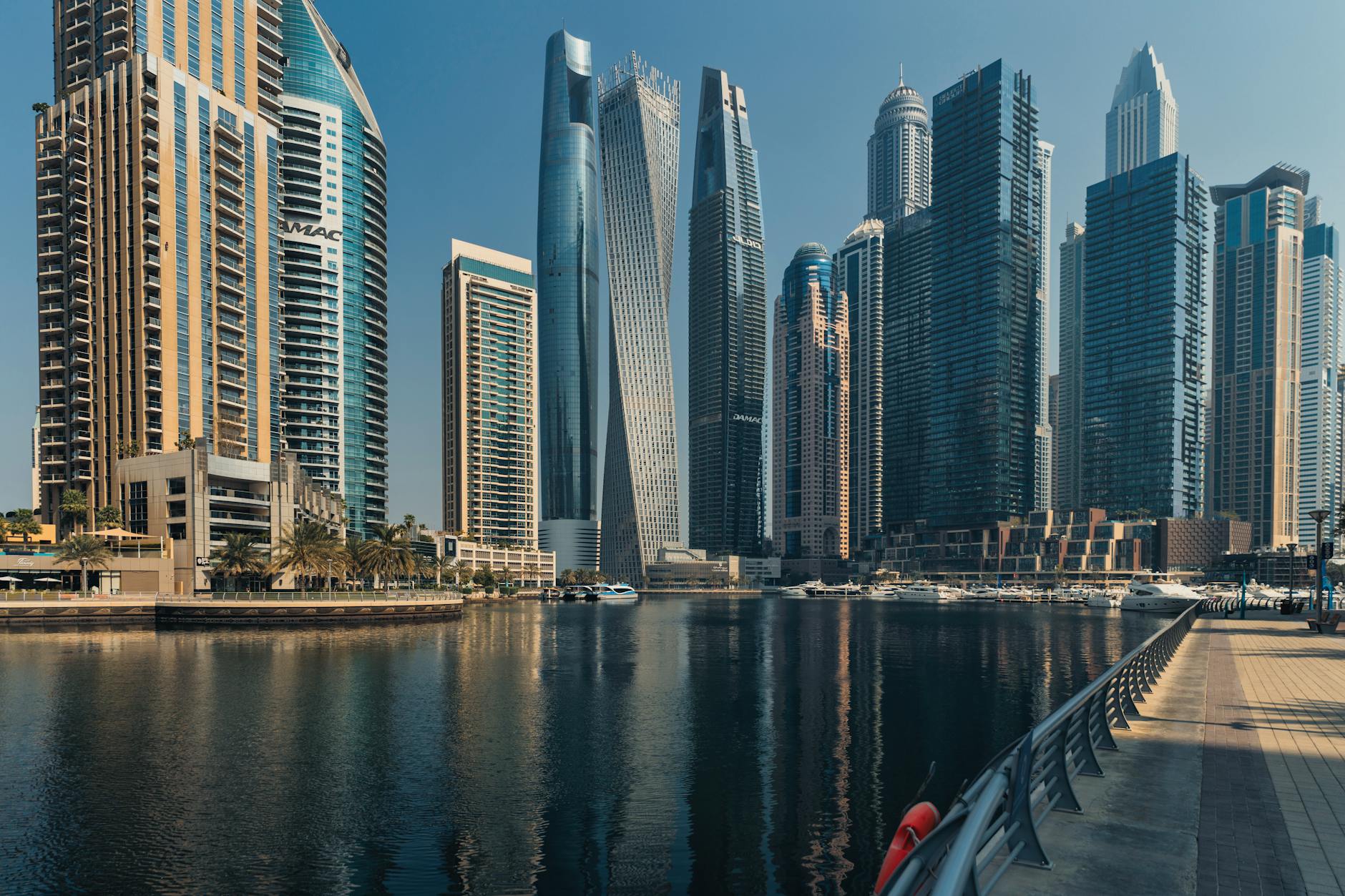
Dubai’s real estate sector continues to thrive, fueled by visionary infrastructure and a business-friendly tax regime. In 2025, we anticipate rental yields averaging 6-8% in prime areas like Dubai Marina and Palm Jumeirah, up from 5.5% in 2024, according to recent Bayut reports. Capital growth is projected at 12-15% through 2026, driven by mega-projects from developers like Damac Properties and Sobha Realty.
What sets Dubai apart is its zero income tax and golden visa incentives, which boost net ROI. For instance, a mid-range apartment in Business Bay could generate AED 120,000 annually in rent while appreciating 10% yearly. We’ve advised clients on such investments, seeing average ROIs hit 18% over five years. This momentum stems from Expo 2020’s legacy and ongoing diversification into tech and tourism, making Dubai a hotspot for B2B players in construction and development.
London’s Real Estate Landscape: Stability with Strings Attached
London remains a global benchmark for property investment, but its ROI profile has cooled amid economic pressures. Projections for 2025-2026 show rental yields stabilizing at 3-5% in areas like Canary Wharf and Kensington, per Savills data, hampered by high stamp duty and capital gains taxes up to 28%. Capital appreciation might reach 4-6% annually, influenced by interest rate fluctuations and post-Brexit adjustments.
Investors face additional hurdles: stringent regulations and a saturated market limit upside. A typical two-bedroom flat in Shoreditch, developed by firms like Barratt London, could yield GBP 24,000 in rent but erode 20-25% of gains through taxes and fees. While London’s prestige attracts long-term holders, our UAE-focused expertise reveals these factors often cap total ROI at 7-9%, making it less agile for aggressive growth strategies.
Head-to-Head Comparison: Yields, Growth, and Hidden Costs
To illustrate the ROI differences, consider this side-by-side analysis based on 2025 projections for a comparable USD 500,000 investment in a two-bedroom unit. Dubai’s advantages shine in net returns, while London’s costs weigh heavier.
| Metric | Dubai (e.g., Dubai Marina) | London (e.g., Canary Wharf) |
|---|---|---|
| Gross Rental Yield | 7.5% | 4.2% |
| Annual Capital Growth | 13% | 5% |
| Tax Impact on ROI | 0% (no income tax) | 20-28% (gains tax) |
| Entry Costs (Fees + Taxes) | 4% of value | 12% of value |
| Projected 5-Year Total ROI | 20-25% | 8-12% |
This table underscores Dubai’s superior leverage. Maintenance in Dubai runs 1-2% of property value yearly, versus London’s 2-3% plus council taxes. We’ve crunched these numbers for clients, confirming Dubai’s edge in liquidity and exit strategies too.
Strategic Insights: Navigating Risks and Opportunities
Beyond numbers, ROI hinges on market timing and local know-how. In Dubai, geopolitical stability and events like the 2025 Dubai Shopping Festival amplify demand, minimizing vacancy risks to under 5%. London, however, grapples with 7-10% vacancy in outer zones due to remote work trends.
- Focus on off-plan purchases in Dubai from Emaar for 10-20% discounts and staged payments.
- Avoid London’s high-risk zones like Croydon where yields dip below 3%.
- Leverage Dubai’s freehold ownership for foreigners, unavailable in much of London.
At DCI Group, our track record includes guiding B2B firms through UAE regulations, ensuring compliant, high-ROI deals. We mitigate currency risks with AED’s dollar peg, unlike the pound’s volatility.
Conclusion: Position Your Portfolio for Dubai’s Edge
In summary, Dubai properties outpace London markets in ROI potential, offering 6-8% yields, 12-15% growth, and tax efficiencies that deliver 20-25% five-year returns versus London’s 8-12%. Districts like Downtown Dubai and developers such as Damac provide tangible opportunities in a market projected to grow 10% annually through 2026. While London suits conservative, prestige-driven strategies, Dubai rewards bold investors with liquidity and innovation.
Your next move? Partner with experts who know the UAE inside out. At DCI Group, with 15+ years of proven success, we invite you to request a free consultation or personalized property selection today. Contact us to unlock tailored ROI strategies that align with your development or investment goals. Don’t miss Dubai’s momentum – secure your competitive advantage now.
⚠️ Disclaimer: All projections are based on current market data and subject to change. Real estate investments carry risks, including market fluctuations. Consult professional advisors before proceeding. DCI Group provides information only, not financial advice.
Image by: San Photography
https://www.pexels.com/@beingsanshots